
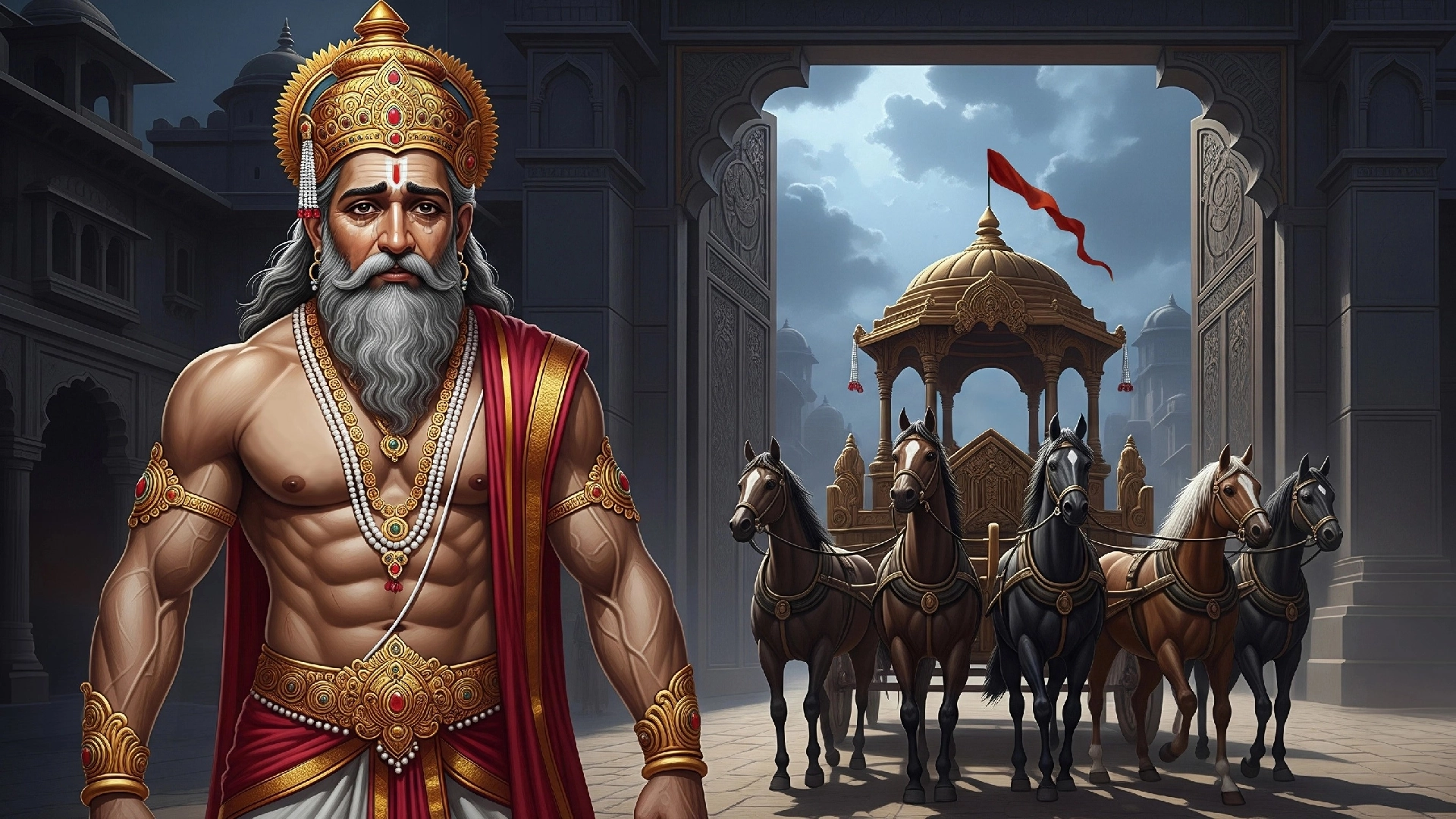
सुमन्त्र का अयोध्या को लौटना और सर्वत्र शोक देखना – Sumantra returns to Ayodhya and finds the city drowned in grief
दोहा :
* रामु लखन सीता सहित सोहत परन निकेत।
जिमि बासव बस अमरपुर सची जयंत समेत॥141॥
भावार्थ:-लक्ष्मणजी और सीताजी सहित श्री रामचन्द्रजी पर्णकुटी में ऐसे सुशोभित हैं, जैसे अमरावती में इन्द्र अपनी पत्नी शची और पुत्र जयंत सहित बसता है॥141॥
Shri Ram, along with Lakshman ji and Sita ji, shone with splendour in the humble hut of leaves, just as Indra resides gloriously in Amaravati, the capital of Heaven, with his wife Sachi and son Jayant.
चौपाई :
* जोगवहिं प्रभुसिय लखनहि कैसें। पलक बिलोचन गोलक जैसें॥
सेवहिं लखनु सीय रघुबीरहि। जिमि अबिबेकी पुरुष सरीरहि॥1॥
भावार्थ:-प्रभु श्री रामचन्द्रजी सीताजी और लक्ष्मणजी की कैसी सँभाल रखते हैं, जैसे पलकें नेत्रों के गोलकों की। इधर लक्ष्मणजी श्री सीताजी और श्री रामचन्द्रजी की (अथवा लक्ष्मणजी और सीताजी श्री रामचन्द्रजी की) ऐसी सेवा करते हैं, जैसे अज्ञानी मनुष्य शरीर की करते हैं॥1॥
The Lord cared for Sita ji and Lakshman ji as tenderly as eyelids protect the eyes. In turn, Lakshman ji served Shri Raghuveer and Sita ji with the same devotion and attention that an ignorant person gives to caring for their own body.
* एहि बिधि प्रभु बन बसहिं सुखारी। खग मृग सुर तापस हितकारी॥
कहेउँ राम बन गवनु सुहावा। सुनहु सुमंत्र अवध जिमि आवा॥2॥
भावार्थ:-पक्षी, पशु, देवता और तपस्वियों के हितकारी प्रभु इस प्रकार सुखपूर्वक वन में निवास कर रहे हैं। तुलसीदासजी कहते हैं- मैंने श्री रामचन्द्रजी का सुंदर वनगमन कहा। अब जिस तरह सुमन्त्र अयोध्या में आए वह (कथा) सुनो॥2॥
In this way, the Lord, the protector of birds, animals, Demigods, and Sages, lived joyfully in the forest. Tulsidas ji says, “I have narrated the episode of Shri Ram’s journey to the forest. Now, listen to how Sumantra returned to Ayodhya.”
* फिरेउ निषादु प्रभुहि पहुँचाई। सचिव सहित रथ देखेसि आई॥
मंत्री बिकल बिलोकि निषादू। कहि न जाइ जस भयउ बिषादू॥3॥
भावार्थ:-प्रभु श्री रामचन्द्रजी को पहुँचाकर जब निषादराज लौटा, तब आकर उसने रथ को मंत्री (सुमंत्र) सहित देखा। मंत्री को व्याकुल देखकर निषाद को जैसा दुःख हुआ, वह कहा नहीं जाता॥3॥
When the Chief of the Nishads returned after leaving the Lord at Chitrakoot, he came upon the royal Minister Sumantra with the chariot. The Minister, deeply troubled at the sight of Guh, was overwhelmed with sorrow, his pain at that moment is beyond words.
* राम राम सिय लखन पुकारी। परेउ धरनितल ब्याकुल भारी॥
देखि दखिन दिसि हय हिहिनाहीं। जनु बिनु पंख बिहग अकुलाहीं॥4॥
भावार्थ:-(निषाद को अकेले आया देखकर) सुमंत्र हा राम! हा राम! हा सीते! हा लक्ष्मण! पुकारते हुए, बहुत व्याकुल होकर धरती पर गिर पड़े। (रथ के) घोड़े दक्षिण दिशा की ओर (जिधर श्री रामचन्द्रजी गए थे) देख-देखकर हिनहिनाते हैं। मानो बिना पंख के पक्षी व्याकुल हो रहे हों॥4॥
Overcome with intense grief, he cried out, “Ram! Ram! Sita! Lakshman!” and collapsed to the ground. The horses kept turning their gaze southward (toward the path Shri Ram had taken) neighing restlessly, like birds deprived of their wings.
दोहा :
* नहिं तृन चरहिं न पिअहिं जलु मोचहिं लोचन बारि।
ब्याकुल भए निषाद सब रघुबर बाजि निहारि॥142॥
भावार्थ:-वे न तो घास चरते हैं, न पानी पीते हैं। केवल आँखों से जल बहा रहे हैं। श्री रामचन्द्रजी के घोड़ों को इस दशा में देखकर सब निषाद व्याकुल हो गए॥142॥
They refused to eat grass or drink water, shedding only silent tears from their eyes. Seeing the sorrow of Shri Raghuveer’s horses, all the Nishads were deeply moved and overcome with grief.
चौपाई :
* धरि धीरजु तब कहइ निषादू। अब सुमंत्र परिहरहु बिषादू॥
तुम्ह पंडित परमारथ ग्याता। धरहु धीर लखि बिमुख बिधाता॥1॥
भावार्थ:-तब धीरज धरकर निषादराज कहने लगा- हे सुमंत्रजी! अब विषाद को छोड़िए। आप पंडित और परमार्थ के जानने वाले हैं। विधाता को प्रतिकूल जानकर धैर्य धारण कीजिए॥1॥
Then, regaining his composure, the Chief of the Nishads, Guh, said, “Sumantra ji, let go of your sorrow. You are wise and a knower of the Supreme Truth. Gather yourself, for the times are unfavourable and ruled by fate.”
* बिबिधि कथा कहि कहि मृदु बानी। रथ बैठारेउ बरबस आनी॥
सोक सिथिल रथु सकइ न हाँकी। रघुबर बिरह पीर उर बाँकी॥2॥
भावार्थ:-कोमल वाणी से भाँति-भाँति की कथाएँ कहकर निषाद ने जबर्दस्ती लाकर सुमंत्र को रथ पर बैठाया, परन्तु शोक के मारे वे इतने शिथिल हो गए कि रथ को हाँक नहीं सकते। उनके हृदय में श्री रामचन्द्रजी के विरह की बड़ी तीव्र वेदना है॥2॥
Guh softly consoled Sumantra ji with many tales and gently urged him to take his seat on the chariot. But Sumantra ji, overwhelmed with grief and the pain of separation from Shri Raghuveer, found himself unable to take the reins, his heart heavy with sorrow.
* चरफराहिं मग चलहिं न घोरे। बन मृग मनहुँ आनि रथ जोरे॥
अढ़ुकि परहिं फिरि हेरहिं पीछें। राम बियोगि बिकल दुख तीछें॥3॥
भावार्थ:-घोड़े तड़फड़ाते हैं और (ठीक) रास्ते पर नहीं चलते। मानो जंगली पशु लाकर रथ में जोत दिए गए हों। वे श्री रामचन्द्रजी के वियोगी घोड़े कभी ठोकर खाकर गिर पड़ते हैं, कभी घूमकर पीछे की ओर देखने लगते हैं। वे तीक्ष्ण दुःख से व्याकुल हैं॥3॥
The horses moved restlessly, their steps faltering in agony. It seemed as though wild creatures had been bound and forced into harnesses. They kept stumbling or turning back to look behind, tormented by the deep sorrow of separation from Shri Ram.
*जो कह रामु लखनु बैदेही। हिंकरि हिंकरि हित हेरहिं तेही॥
बाजि बिरह गति कहि किमि जाती। बिनु मनि फनिक बिकल जेहिं भाँती॥4॥
भावार्थ:-जो कोई राम, लक्ष्मण या जानकी का नाम ले लेता है, घोड़े हिकर-हिकरकर उसकी ओर प्यार से देखने लगते हैं। घोड़ों की विरह दशा कैसे कही जा सकती है? वे ऐसे व्याकुल हैं, जैसे मणि के बिना साँप व्याकुल होता है॥4॥
If anyone mentioned the name of Shri Ram, Lakshman ji, or Sita ji, the horses would neigh softly and gaze at that person with affection. How can one possibly describe the depth of their sorrow? They were as restless as a serpent bereft of its precious gem.
दोहा :
* भयउ निषादु बिषादबस देखत सचिव तुरंग।
बोलि सुसेवक चारि तब दिए सारथी संग॥143॥
भावार्थ:-मंत्री और घोड़ों की यह दशा देखकर निषादराज विषाद के वश हो गया। तब उसने अपने चार उत्तम सेवक बुलाकर सारथी के साथ कर दिए॥143॥
Seeing the Minister and the horses in such anguish, the Chief of the Nishads was deeply pained. He then summoned his four trusted servants and sent them along with the charioteer, Sumantra ji.
चौपाई :
* गुह सारथिहि फिरेउ पहुँचाई। बिरहु बिषादु बरनि नहिं जाई॥
चले अवध लेइ रथहि निषादा। होहिं छनहिं छन मगन बिषादा॥1॥
भावार्थ:-निषादराज गुह सारथी (सुमंत्रजी) को पहुँचाकर (विदा करके) लौटा। उसके विरह और दुःख का वर्णन नहीं किया जा सकता। वे चारों निषाद रथ लेकर अवध को चले। (सुमंत्र और घोड़ों को देख-देखकर) वे भी क्षण-क्षणभर विषाद में डूबे जाते थे॥1॥
After bidding farewell to the charioteer, Guh returned, his sorrow beyond the reach of words. The four Nishads guided the chariot toward Ayodhya, while the attendants sank deeper into grief with every passing moment.
* सोच सुमंत्र बिकल दुख दीना। धिग जीवन रघुबीर बिहीना॥
रहिहि न अंतहुँ अधम सरीरू। जसु न लहेउ बिछुरत रघुबीरू॥2॥
भावार्थ:-व्याकुल और दुःख से दीन हुए सुमंत्रजी सोचते हैं कि श्री रघुवीर के बिना जीना धिक्कार है। आखिर यह अधम शरीर रहेगा तो है ही नहीं। अभी श्री रामचन्द्रजी के बिछुड़ते ही छूटकर इसने यश (क्यों) नहीं ले लिया॥2॥
Agitated and overwhelmed by the sorrow of separation from Shri Raghuveer, Minister Sumantra lamented, “Life without Shri Raghuveer is a curse. This miserable body will wither away in vain. How unfortunate that it did not gain honour by dying at the very moment of parting from Him…
* भए अजस अघ भाजन प्राना। कवन हेतु नहिं करत पयाना॥
अहह मंद मनु अवसर चूका। अजहुँ न हृदय होत दुइ टूका॥3॥
भावार्थ:-ये प्राण अपयश और पाप के भाँडे हो गए। अब ये किस कारण कूच नहीं करते (निकलते नहीं)? हाय! नीच मन (बड़ा अच्छा) मौका चूक गया। अब भी तो हृदय के दो टुकड़े नहीं हो जाते!॥3॥
…My very life has become a vessel of disgrace and sin. I wonder why it still clings to this body? Alas, my foolish heart missed its moment, how tragic that even now, it does not shatter into two from sorrow.”
* मीजि हाथ सिरु धुनि पछिताई। मनहुँ कृपन धन रासि गवाँई॥
बिरिद बाँधि बर बीरु कहाई। चलेउ समर जनु सुभट पराई॥4॥
भावार्थ:-सुमंत्र हाथ मल-मलकर और सिर पीट-पीटकर पछताते हैं। मानो कोई कंजूस धन का खजाना खो बैठा हो। वे इस प्रकार चले मानो कोई बड़ा योद्धा वीर का बाना पहनकर और उत्तम शूरवीर कहलाकर युद्ध से भाग चला हो!॥4॥
Sumantra ji wept bitterly, rubbing his hands and striking his head like a miser who has lost all his treasured wealth. He moved forward like a man dressed as a mighty warrior, pretending to be very brave, yet fleeing the battlefield in despair.
दोहा :
* बिप्र बिबेकी बेदबिद संमत साधु सुजाति।
जिमि धोखें मदपान कर सचिव सोच तेहि भाँति॥144॥
भावार्थ:-जैसे कोई विवेकशील, वेद का ज्ञाता, साधुसम्मत आचरणों वाला और उत्तम जाति का (कुलीन) ब्राह्मण धोखे से मदिरा पी ले और पीछे पछतावे, उसी प्रकार मंत्री सुमंत्र सोच कर रहे (पछता रहे) हैं॥144॥
The Minister grieved like a noble and learned Brahmin, well-versed in the Vedas and devoted to righteous conduct, who, having been deceived into drinking alcohol, is left consumed by regret and shame.
चौपाई :
* जिमि कुलीन तिय साधु सयानी। पतिदेवता करम मन बानी॥
रहै करम बस परिहरि नाहू। सचिव हृदयँ तिमि दारुन दाहू॥1॥
भावार्थ:-जैसे किसी उत्तम कुलवाली, साधु स्वाभाव की, समझदार और मन, वचन, कर्म से पति को ही देवता मानने वाली पतिव्रता स्त्री को भाग्यवश पति को छोड़कर (पति से अलग) रहना पड़े, उस समय उसके हृदय में जैसे भयानक संताप होता है, वैसे ही मंत्री के हृदय में हो रहा है॥1॥
Just as a wise and virtuous wife of saintly nature, who reveres her husband as God in thought, word, and deed, faces separation from him due to cruel fate, and endures unbearable sorrow, so too was the anguish weighing on the minister’s heart.
* लोचन सजल डीठि भइ थोरी। सुनइ न श्रवन बिकल मति भोरी॥
सूखहिं अधर लागि मुहँ लाटी। जिउ न जाइ उर अवधि कपाटी॥2॥
भावार्थ:-नेत्रों में जल भरा है, दृष्टि मंद हो गई है। कानों से सुनाई नहीं पड़ता, व्याकुल हुई बुद्धि बेठिकाने हो रही है। होठ सूख रहे हैं, मुँह में लाटी लग गई है, किन्तु (ये सब मृत्यु के लक्षण हो जाने पर भी) प्राण नहीं निकलते, क्योंकि हृदय में अवधि रूपी किवाड़ लगे हैं (अर्थात चौदह वर्ष बीत जाने पर भगवान फिर मिलेंगे, यही आशा रुकावट डाल रही है)॥2॥
His eyes brimmed with tears, blurring his vision. He could barely hear, and his mind was restless and clouded. His lips and mouth had gone dry. Yet, his soul did not depart from his body (for the hope that Shri Ram would return after the fourteen years of exile stood like a door in his heart, holding his life-breath from escaping).
* बिबरन भयउ न जाइ निहारी। मारेसि मनहुँ पिता महतारी॥
हानि गलानि बिपुल मन ब्यापी। जमपुर पंथ सोच जिमि पापी॥3॥
भावार्थ:-सुमंत्रजी के मुख का रंग बदल गया है, जो देखा नहीं जाता। ऐसा मालूम होता है मानो इन्होंने माता-पिता को मार डाला हो। उनके मन में रामवियोग रूपी हानि की महान ग्लानि (पीड़ा) छा रही है, जैसे कोई पापी मनुष्य नरक को जाता हुआ रास्ते में सोच कर रहा हो॥3॥
Sumantra ji’s face had turned pale which was unbearable to behold, he looked as though he had slain his own father and mother. His heart was heavy with remorse, tormented by the pain of separation from Shri Ram. His condition resembled that of a sinful soul, lost in dreadful thoughts while descending toward hell.
* बचनु न आव हृदयँ पछिताई। अवध काह मैं देखब जाई॥
राम रहित रथ देखिहि जोई। सकुचिहि मोहि बिलोकत सोई॥4॥
भावार्थ:-मुँह से वचन नहीं निकलते। हृदय में पछताते हैं कि मैं अयोध्या में जाकर क्या देखूँगा? श्री रामचन्द्रजी से शून्य रथ को जो भी देखेगा, वही मुझे देखने में संकोच करेगा (अर्थात मेरा मुँह नहीं देखना चाहेगा)॥4॥
He was unable to speak, his heart weighed down with regret and self-blame. He lamented, “What face shall I show upon reaching Ayodhya? Whoever sees the chariot without Shri Ram will despise even the sight of me…
दोहा :
* धाइ पूँछिहहिं मोहि जब बिकल नगर नर नारि।
उतरु देब मैं सबहि तब हृदयँ बज्रु बैठारि॥145॥
भावार्थ:-नगर के सब व्याकुल स्त्री-पुरुष जब दौड़कर मुझसे पूछेंगे, तब मैं हृदय पर वज्र रखकर सबको उत्तर दूँगा॥145॥
…When the agitated men and women of Ayodhya come rushing to ask about Shri Ram, I will have to answer them, placing the crushing weight of a thunderbolt upon my heart…
चौपाई :
* पुछिहहिं दीन दुखित सब माता। कहब काह मैं तिन्हहि बिधाता।
पूछिहि जबहिं लखन महतारी। कहिहउँ कवन सँदेस सुखारी॥1॥
भावार्थ:-जब दीन-दुःखी सब माताएँ पूछेंगी, तब हे विधाता! मैं उन्हें क्या कहूँगा? जब लक्ष्मणजी की माता मुझसे पूछेंगी, तब मैं उन्हें कौन सा सुखदायी सँदेसा कहूँगा?॥1॥
…When all the sorrowful, helpless Mothers question me, O’ Lord, what shall I say to them? And when Queen Sumitra, Lakshman’s mother, asks me about her son, what joyous message will I have to offer her?…
* राम जननि जब आइहि धाई। सुमिरि बच्छु जिमि धेनु लवाई॥
पूँछत उतरु देब मैं तेही। गे बनु राम लखनु बैदेही॥2॥
भावार्थ:-श्री रामजी की माता जब इस प्रकार दौड़ी आवेंगी जैसे नई ब्यायी हुई गौ बछड़े को याद करके दौड़ी आती है, तब उनके पूछने पर मैं उन्हें यह उत्तर दूँगा कि श्री राम, लक्ष्मण, सीता वन को चले गए!॥2॥
…When Shri Ram’s Mother comes running to me, like a mother cow who has just given birth, rushing at the thought of her calf, what answer shall I give her? All I will be able to say is that Shri Ram, Lakshman, and Sita have gone to the forest…
* जोई पूँछिहि तेहि ऊतरु देबा। जाइ अवध अब यहु सुखु लेबा॥
पूँछिहि जबहिं राउ दुख दीना। जिवनु जासु रघुनाथ अधीना॥3॥
भावार्थ:-जो भी पूछेगा उसे यही उत्तर देना पड़ेगा! हाय! अयोध्या जाकर अब मुझे यही सुख लेना है! जब दुःख से दीन महाराज, जिनका जीवन श्री रघुनाथजी के (दर्शन के) ही अधीन है, मुझसे पूछेंगे,॥3॥
…Whoever asks about Shri Ram will hear only this sorrowful reply. Alas! This is the only ‘joy’ that awaits me upon returning to Ayodhya. And when the helpless, grief-stricken King Dashrath, whose very life depends on Raghunath, questions me…
* देहउँ उतरु कौनु मुहु लाई। आयउँ कुसल कुअँर पहुँचाई॥
सुनत लखन सिय राम सँदेसू। तृन जिमि तनु परिहरिहि नरेसू॥4॥
भावार्थ:-तब मैं कौन सा मुँह लेकर उन्हें उत्तर दूँगा कि मैं राजकुमारों को कुशल पूर्वक पहुँचा आया हूँ! लक्ष्मण, सीता और श्रीराम का समाचार सुनते ही महाराज तिनके की तरह शरीर को त्याग देंगे॥4॥
…with what face shall I tell him that I have returned after safely leaving the Princes in the forest? The moment he hears that Shri Ram, Lakshman, and Sita are truly gone, the King will cast away his life like a blade of grass…
दोहा :
* हृदउ न बिदरेउ पंक जिमि बिछुरत प्रीतमु नीरु।
जानत हौं मोहि दीन्ह बिधि यहु जातना सरीरु॥146॥
भावार्थ:-प्रियतम (श्री रामजी) रूपी जल के बिछुड़ते ही मेरा हृदय कीचड़ की तरह फट नहीं गया, इससे मैं जानता हूँ कि विधाता ने मुझे यह ‘यातना शरीर’ ही दिया है (जो पापी जीवों को नरक भोगने के लिए मिलता है)॥146॥
…My heart, like hardened sludge, did not break even when the moisture, in the form of my beloved Shri Ram, was taken from it. From this, I can only conclude that the Almighty has given me this body solely to bear suffering.”
चौपाई :
* एहि बिधि करत पंथ पछितावा। तमसा तीर तुरत रथु आवा॥
बिदा किए करि बिनय निषादा। फिरे पायँ परि बिकल बिषादा॥1॥
भावार्थ:-सुमंत्र इस प्रकार मार्ग में पछतावा कर रहे थे, इतने में ही रथ तुरंत तमसा नदी के तट पर आ पहुँचा। मंत्री ने विनय करके चारों निषादों को विदा किया। वे विषाद से व्याकुल होते हुए सुमंत्र के पैरों पड़कर लौटे॥1॥
In this way, Sumantra ji continued lamenting along the journey. Meanwhile, his chariot swiftly reached the banks of the Tamsa River. With gentle words, he requested the Nishads to return to their homes. They bowed at his feet and departed, their hearts heavy with sorrow.
* पैठत नगर सचिव सकुचाई। जनु मारेसि गुर बाँभन गाई॥
बैठि बिटप तर दिवसु गवाँवा। साँझ समय तब अवसरु पावा॥2॥
भावार्थ:-नगर में प्रवेश करते मंत्री (ग्लानि के कारण) ऐसे सकुचाते हैं, मानो गुरु, ब्राह्मण या गौ को मारकर आए हों। सारा दिन एक पेड़ के नीचे बैठकर बिताया। जब संध्या हुई तब मौका मिला॥2॥
The Minister hesitated to enter the city, as if burdened by the guilt of having slain his own Guru, a Brahmin, or a Cow. He spent the day seated beneath a tree, and only at dusk did he find the courage and opportunity to move forward.
* अवध प्रबेसु कीन्ह अँधिआरें। पैठ भवन रथु राखि दुआरें॥
जिन्ह जिन्ह समाचार सुनि पाए। भूप द्वार रथु देखन आए॥3॥
भावार्थ:-अँधेरा होने पर उन्होंने अयोध्या में प्रवेश किया और रथ को दरवाजे पर खड़ा करके वे (चुपके से) महल में घुसे। जिन-जिन लोगों ने यह समाचार सुना पाया, वे सभी रथ देखने को राजद्वार पर आए॥3॥
He entered Ayodhya under the cover of darkness. Leaving his chariot at the gate, he quietly made his way into the palace. As news of his return spread, people hurried to the royal palace gates to catch a glimpse of the chariot.
* रथु पहिचानि बिकल लखि घोरे। गरहिं गात जिमि आतप ओरे॥
नगर नारि नर ब्याकुल कैसें। निघटत नीर मीनगन जैसें॥4॥