
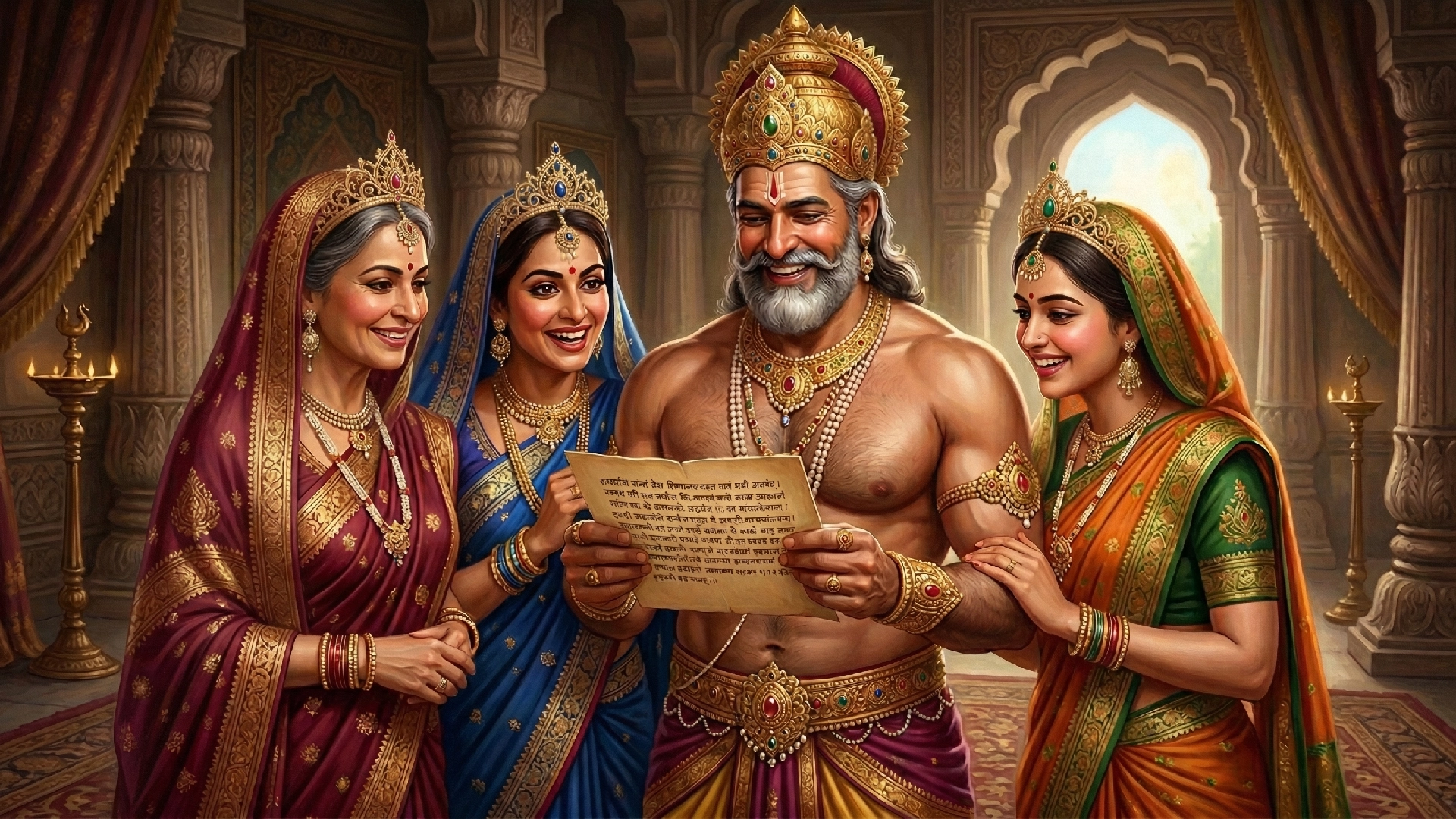
दशरथजी के पास जनकजी का दूत भेजना, अयोध्या से बारात का प्रस्थान – King Janak’s messengers reach Ayodhya, the marriage procession departs for Janakpur
दोहा :
* तदपि जाइ तुम्ह करहु अब जथा बंस ब्यवहारु।
बूझि बिप्र कुलबृद्ध गुर बेद बिदित आचारु॥286॥
भावार्थ:-तथापि तुम जाकर अपने कुल का जैसा व्यवहार हो, ब्राह्मणों, कुल के बूढ़ों और गुरुओं से पूछकर और वेदों में वर्णित जैसा आचार हो वैसा करो॥286॥
…Still, you should now proceed to carry out the rituals according to your family traditions and the Vedic guidelines, after consulting your Guru (Sage Shatanand), the Brahmins, and the respected elders of your household…
चौपाई :
* दूत अवधपुर पठवहु जाई। आनहिं नृप दसरथहिं बोलाई॥
मुदित राउ कहि भलेहिं कृपाला। पठए दूत बोलि तेहि काला॥1॥
भावार्थ:-जाकर अयोध्या को दूत भेजो, जो राजा दशरथ को बुला लावें। राजा ने प्रसन्न होकर कहा- हे कृपालु! बहुत अच्छा! और उसी समय दूतों को बुलाकर भेज दिया॥1॥
…Go and send a messenger to Ayodhya to invite King Dashrath to come here.” King Janak, overjoyed, replied, “O’ Merciful one, as you wish.” Without delay, messengers were called and promptly sent to Ayodhya.
* बहुरि महाजन सकल बोलाए। आइ सबन्हि सादर सिर नाए॥
हाट बाट मंदिर सुरबासा। नगरु सँवारहु चारिहुँ पासा॥2॥
भावार्थ:-फिर सब महाजनों को बुलाया और सबने आकर राजा को आदरपूर्वक सिर नवाया। (राजा ने कहा-) बाजार, रास्ते, घर, देवालय और सारे नगर को चारों ओर से सजाओ॥2॥
King Janak then summoned all the prominent tradesmen. They arrived promptly and bowed respectfully before him. Instructing them, the King said, “Adorn the marketplaces, streets, homes, temples, and the entire city on all four sides.”
* हरषि चले निज निज गृह आए। पुनि परिचारक बोलि पठाए॥
रचहु बिचित्र बितान बनाई। सिर धरि बचन चले सचु पाई॥3॥
भावार्थ:-महाजन प्रसन्न होकर चले और अपने-अपने घर आए। फिर राजा ने नौकरों को बुला भेजा (और उन्हें आज्ञा दी कि) विचित्र मंडप सजाकर तैयार करो। यह सुनकर वे सब राजा के वचन सिर पर धरकर और सुख पाकर चले॥3॥
The tradesmen departed joyfully and returned to their respective homes. Then, the King summoned his attendants and instructed them to build exquisite and unique pavilions. They gladly accepted his command and left after bowing respectfully.
* पठए बोलि गुनी तिन्ह नाना। जे बितान बिधि कुसल सुजाना॥
बिधिहि बंदि तिन्ह कीन्ह अरंभा। बिरचे कनक कदलि के खंभा॥4॥
भावार्थ:-उन्होंने अनेक कारीगरों को बुला भेजा, जो मंडप बनाने में कुशल और चतुर थे। उन्होंने ब्रह्मा की वंदना करके कार्य आरंभ किया और (पहले) सोने के केले के खंभे बनाए॥4॥
The servants then gathered many skilled artisans who were masters in the craft of pavilion-making. After offering prayers to Lord Brahma, the craftsmen began their work, crafting golden pillars shaped like banana trees.
दोहा :
* हरित मनिन्ह के पत्र फल पदुमराग के फूल।
रचना देखि बिचित्र अति मनु बिरंचि कर भूल॥287॥
भावार्थ:-हरी-हरी मणियों (पन्ने) के पत्ते और फल बनाए तथा पद्मराग मणियों (माणिक) के फूल बनाए। मंडप की अत्यन्त विचित्र रचना देखकर ब्रह्मा का मन भी भूल गया॥287॥
The leaves and fruits were fashioned from green emeralds, while the flowers were crafted using red rubies. The pavilion’s design was so extraordinary that even Lord Brahma Himself was left spellbound by its sheer beauty.
चौपाई :
* बेनु हरित मनिमय सब कीन्हे। सरल सपरब परहिं नहिं चीन्हे॥
कनक कलित अहिबेलि बनाई। लखि नहिं परइ सपरन सुहाई॥1॥
भावार्थ:-बाँस सब हरी-हरी मणियों (पन्ने) के सीधे और गाँठों से युक्त ऐसे बनाए जो पहचाने नहीं जाते थे (कि मणियों के हैं या साधारण)। सोने की सुंदर नागबेली (पान की लता) बनाई, जो पत्तों सहित ऐसी भली मालूम होती थी कि पहचानी नहीं जाती थी॥1॥
All the poles were made of emeralds, straight and jointed like real bamboo, making it nearly impossible to tell them apart from the natural ones. Delicate betel vine creepers were crafted in gold, and their leaves looked so lifelike and graceful that one couldn’t distinguish them from the real plant.
* तेहि के रचि पचि बंध बनाए। बिच बिच मुकुता दाम सुहाए॥
मानिक मरकत कुलिस पिरोजा। चीरि कोरि पचि रचे सरोजा॥2॥
भावार्थ:-उसी नागबेली के रचकर और पच्चीकारी करके बंधन (बाँधने की रस्सी) बनाए। बीच-बीच में मोतियों की सुंदर झालरें हैं। माणिक, पन्ने, हीरे और िफरोजे, इन रत्नों को चीरकर, कोरकर और पच्चीकारी करके, इनके (लाल, हरे, सफेद और फिरोजी रंग के) कमल बनाए॥2॥
These golden creepers were intertwined and used as cords to tie the bamboo-like poles together, with beautiful pearls embedded at intervals. Rubies, emeralds, diamonds, and turquoise were intricately cut, polished, and inlaid to form exquisite lotus flowers in shades of red, green, white, and turquoise.
* किए भृंग बहुरंग बिहंगा। गुंजहिं कूजहिं पवन प्रसंगा॥
सुर प्रतिमा खंभन गढ़ि काढ़ीं। मंगल द्रब्य लिएँ सब ठाढ़ीं॥3॥
भावार्थ:-भौंरे और बहुत रंगों के पक्षी बनाए, जो हवा के सहारे गूँजते और कूजते थे। खंभों पर देवताओं की मूर्तियाँ गढ़कर निकालीं, जो सब मंगल द्रव्य लिए खड़ी थीं॥3॥
Numerous bumblebees and vibrantly coloured birds were also crafted, designed to produce sweet humming and whistling sounds as the breeze passed through. The pillars were adorned with carved idols of deities, each depicted standing gracefully, holding auspicious symbols in their hands.
* चौकें भाँति अनेक पुराईं। सिंधुर मनिमय सहज सुहाईं॥4॥
भावार्थ:-गजमुक्ताओं के सहज ही सुहावने अनेकों तरह के चौक पुराए॥4॥
The courtyards and town squares were richly embedded with rare and beautiful elephant pearls, adding to the splendour of the entire city.
दोहा :
* सौरभ पल्लव सुभग सुठि किए नीलमनि कोरि।
हेम बौर मरकत घवरि लसत पाटमय डोरि॥288॥
भावार्थ:-नील मणि को कोरकर अत्यन्त सुंदर आम के पत्ते बनाए। सोने के बौर (आम के फूल) और रेशम की डोरी से बँधे हुए पन्ने के बने फलों के गुच्छे सुशोभित हैं॥288॥
Sapphires were intricately crafted into stunning mango leaves, while bunches of mangoes made from emeralds and golden blossoms shimmered brilliantly, hanging gracefully on silken cords.
चौपाई :
* रचे रुचिर बर बंदनिवारे। मनहुँ मनोभवँ फंद सँवारे॥
मंगल कलश अनेक बनाए। ध्वज पताक पट चमर सुहाए॥1॥
भावार्थ:-ऐसे सुंदर और उत्तम बंदनवार बनाए मानो कामदेव ने फंदे सजाए हों। अनेकों मंगल कलश और सुंदर ध्वजा, पताका, परदे और चँवर बनाए॥1॥
Beautiful and exquisite festoons were crafted so gracefully that it seemed as if Kaamdev (Cupid) himself had arranged his enchanting nooses. Alongside, many auspicious vases were placed, along with elegant flags, banners, curtains, and chowries (ceremonial fans), all adding to the divine splendour.
* दीप मनोहर मनिमय नाना। जाइ न बरनि बिचित्र बिताना॥
जेहिं मंडप दुलहिनि बैदेही। सो बरनै असि मति कबि केही॥2॥
भावार्थ:-जिसमें मणियों के अनेकों सुंदर दीपक हैं, उस विचित्र मंडप का तो वर्णन ही नहीं किया जा सकता, जिस मंडप में श्री जानकीजी दुलहिन होंगी, किस कवि की ऐसी बुद्धि है जो उसका वर्णन कर सके॥2॥
The marvellous pavilion, adorned with countless enchanting lamps made of radiant gems, was truly beyond the reach of words. Where can one find a poet whose intellect is worthy enough to describe the splendour of this divine structure, prepared to honour the bride, the daughter of King Videh (Sita ji)?
* दूलहु रामु रूप गुन सागर। सो बितानु तिहुँ लोग उजागर॥
जनक भवन कै सोभा जैसी। गृह गृह प्रति पुर देखिअ तैसी॥3॥
भावार्थ:-जिस मंडप में रूप और गुणों के समुद्र श्री रामचन्द्रजी दूल्हे होंगे, वह मंडप तीनों लोकों में प्रसिद्ध होना ही चाहिए। जनकजी के महल की जैसी शोभा है, वैसी ही शोभा नगर के प्रत्येक घर की दिखाई देती है॥3॥
The pavilion where Shri Ram, the very ocean of beauty and virtues, would take his place as the bridegroom was destined to illuminate all three worlds with its divine radiance. Every home in Janakpur mirrored the splendour of King Janak’s palace, glowing with joy and magnificence.
* जेहिं तेरहुति तेहि समय निहारी। तेहि लघु लगहिं भुवन दस चारी॥
जो संपदा नीच गृह सोहा। सो बिलोकि सुरनायक मोहा॥4॥
भावार्थ:-उस समय जिसने तिरहुत को देखा, उसे चौदह भुवन तुच्छ जान पड़े। जनकपुर में नीच के घर भी उस समय जो सम्पदा सुशोभित थी, उसे देखकर इन्द्र भी मोहित हो जाता था॥4॥
Anyone who witnessed Tirhut (Janakpur) during that time found even the fourteen realms of the cosmos pale in comparison to its beauty. Such was its grandeur that even Lord Indra, the King of the Demigods, was astonished by the prosperity that graced even the humblest of Janakpur’s citizens.
दोहा :
* बसइ नगर जेहिं लच्छि करि कपट नारि बर बेषु।
तेहि पुर कै सोभा कहत सकुचहिं सारद सेषु॥289॥
भावार्थ:-जिस नगर में साक्षात् लक्ष्मीजी कपट से स्त्री का सुंदर वेष बनाकर बसती हैं, उस पुर की शोभा का वर्णन करने में सरस्वती और शेष भी सकुचाते हैं॥289॥
The city where Goddess Lakshmi Herself dwells in the divine form of the graceful Sita ji, such is its unmatched splendour that even Saraswati ji and Shesh ji hesitate to describe it, overcome with awe.
चौपाई :
* पहुँचे दूत राम पुर पावन। हरषे नगर बिलोकि सुहावन॥
भूप द्वार तिन्ह खबरि जनाई। दसरथ नृप सुनि लिए बोलाई॥1॥
भावार्थ:-जनकजी के दूत श्री रामचन्द्रजी की पवित्र पुरी अयोध्या में पहुँचे। सुंदर नगर देखकर वे हर्षित हुए। राजद्वार पर जाकर उन्होंने खबर भेजी, राजा दशरथजी ने सुनकर उन्हें बुला लिया॥1॥
Meanwhile, King Janak’s messengers arrived in the sacred city of Shri Ram, Ayodhya. They were filled with joy upon witnessing its beauty. As they reached the gates of the royal palace, they conveyed the news of having brought King Janak’s invitation for King Dashrath. Upon hearing this, King Dashrath immediately summoned them to his court.
* करि प्रनामु तिन्ह पाती दीन्ही। मुदित महीप आपु उठि लीन्ही॥
बारि बिलोचन बाँचत पाती। पुलक गात आई भरि छाती॥2॥
भावार्थ:-दूतों ने प्रणाम करके चिट्ठी दी। प्रसन्न होकर राजा ने स्वयं उठकर उसे लिया। चिट्ठी बाँचते समय उनके नेत्रों में जल (प्रेम और आनंद के आँसू) छा गया, शरीर पुलकित हो गया और छाती भर आई॥2॥
The messengers bowed before King Dashrath and humbly presented the letter. Overjoyed, the King of the Earth, Dashrath ji, rose from his throne to receive it himself. As he read the letter, his eyes filled with tears of love and happiness, his body thrilled with emotion, and his heart overflowed with joy.
* रामु लखनु उर कर बर चीठी। रहि गए कहत न खाटी मीठी॥
पुनि धरि धीर पत्रिका बाँची। हरषी सभा बात सुनि साँची॥3॥
भावार्थ:-हृदय में राम और लक्ष्मण हैं, हाथ में सुंदर चिट्ठी है, राजा उसे हाथ में लिए ही रह गए, खट्टी-मीठी कुछ भी कह न सके। फिर धीरज धरकर उन्होंने पत्रिका पढ़ी। सारी सभा सच्ची बात सुनकर हर्षित हो गई॥3॥
With Shri Ram and Shri Lakshman in his heart and the beautiful letter in his hand, the King stood silent and still, overcome with emotion. He could neither share the joyful news nor utter a word. Then, gathering himself, he read the letter aloud. The entire court erupted in joy upon hearing the wonderfully true news.
* खेलत रहे तहाँ सुधि पाई। आए भरतु सहित हित भाई॥
पूछत अति सनेहँ सकुचाई। तात कहाँ तें पाती आई॥4॥
भावार्थ:-भरतजी अपने मित्रों और भाई शत्रुघ्न के साथ जहाँ खेलते थे, वहीं समाचार पाकर वे आ गए। बहुत प्रेम से सकुचाते हुए पूछते हैं- पिताजी! चिट्ठी कहाँ से आई है?॥4॥
While playing with their friends, Bharat ji and Shatrughan ji heard the news and immediately came to the King. With love and a hint of hesitation, they gently asked, “Father, where has this letter come from?…
दोहा :
* कुसल प्रानप्रिय बंधु दोउ अहहिं कहहु केहिं देस।
सुनि सनेह साने बचन बाची बहुरि नरेस॥290॥
भावार्थ:- हमारे प्राणों से प्यारे दोनों भाई, कहिए सकुशल तो हैं और वे किस देश में हैं? स्नेह से सने ये वचन सुनकर राजा ने फिर से चिट्ठी पढ़ी॥290॥
…Our two Brothers, who are dearer to us than life itself, are they safe and well? And in which land are they now?” Moved by their words filled with deep love, the King once again read the letter aloud for them.
चौपाई :
* सुनि पाती पुलके दोउ भ्राता। अधिन सनेहु समात न गाता॥
प्रीति पुनीत भरत कै देखी। सकल सभाँ सुखु लहेउ बिसेषी॥1॥
भावार्थ:-चिट्ठी सुनकर दोनों भाई पुलकित हो गए। स्नेह इतना अधिक हो गया कि वह शरीर में समाता नहीं। भरतजी का पवित्र प्रेम देखकर सारी सभा ने विशेष सुख पाया॥1॥
Hearing the words of the letter, both Brothers were filled with joy, their hearts overflowing with love. The entire court was especially moved by the pure and selfless affection that shone through Bharat ji’s face and demeanour.
* तब नृप दूत निकट बैठारे। मधुर मनोहर बचन उचारे॥
भैया कहहु कुसल दोउ बारे। तुम्ह नीकें निज नयन निहारे॥2॥
भावार्थ:-तब राजा दूतों को पास बैठाकर मन को हरने वाले मीठे वचन बाले- भैया! कहो, दोनों बच्चे कुशल से तो हैं? तुमने अपनी आँखों से उन्हें अच्छी तरह देखा है न?॥2॥
Then the King graciously seated the messengers beside him and spoke in a gentle, affectionate tone, “O’ Dear brothers, tell me, are the two boys doing well? Did you get a chance to see them closely with your own eyes?…
* स्यामल गौर धरें धनु भाथा। बय किसोर कौसिक मुनि साथा॥
पहिचानहु तुम्ह कहहु सुभाऊ। प्रेम बिबस पुनि पुनि कह राऊ॥3॥
भावार्थ:-साँवले और गोरे शरीर वाले वे धनुष और तरकस धारण किए रहते हैं, किशोर अवस्था है, विश्वामित्र मुनि के साथ हैं। तुम उनको पहचानते हो तो उनका स्वभाव बताओ। राजा प्रेम के विशेष वश होने से बार-बार इस प्रकार कह (पूछ) रहे हैं॥3॥
…One has a dark complexion, the other fair. Both carry a bow and quiver, and are youthful in age, travelling with the great sage Kaushik. If you recognised them, please tell me about their nature and conduct.” Overflowing with love, the King kept asking again and again, unable to contain his longing.
* जा दिन तें मुनि गए लवाई। तब तें आजु साँचि सुधि पाई॥
कहहु बिदेह कवन बिधि जाने। सुनि प्रिय बचन दूत मुसुकाने॥4॥
भावार्थ:- (भैया!) जिस दिन से मुनि उन्हें लिवा ले गए, तब से आज ही हमने सच्ची खबर पाई है। कहो तो महाराज जनक ने उन्हें कैसे पहचाना? ये प्रिय (प्रेम भरे) वचन सुनकर दूत मुस्कुराए॥4॥
Dashrath ji spoke again, “Ever since the Sage took them with him, today is the first time I’ve received true news about them. Tell me, how did King Janak come to recognize who they truly are?” Hearing these affectionate words, the messengers smiled warmly,…
दोहा :
* सुनहु महीपति मुकुट मनि तुम्ह सम धन्य न कोउ।
रामु लखनु जिन्ह के तनय बिस्व बिभूषन दोउ॥291॥
भावार्थ:-(दूतों ने कहा-) हे राजाओं के मुकुटमणि! सुनिए, आपके समान धन्य और कोई नहीं है, जिनके राम-लक्ष्मण जैसे पुत्र हैं, जो दोनों विश्व के विभूषण हैं॥291॥
…“Listen, O’ Crown jewel among the Kings of Earth, no one is as truly blessed as you, for you are the father of Shri Ram and Shri Lakshman, the two radiant jewels who adorn the entire world…
चौपाई :
* पूछन जोगु न तनय तुम्हारे। पुरुषसिंघ तिहु पुर उजिआरे॥
जिन्ह के जस प्रताप कें आगे। ससि मलीन रबि सीतल लागे॥1॥
भावार्थ:-आपके पुत्र पूछने योग्य नहीं हैं। वे पुरुषसिंह तीनों लोकों के प्रकाश स्वरूप हैं। जिनके यश के आगे चन्द्रमा मलिन और प्रताप के आगे सूर्य शीतल लगता है॥1॥
…Your Sons need no introduction, they are lions among men, the divine radiance that illuminates all three worlds: Earth, Heaven, and the Subterranean region. Before their brilliance, even the Moon pales and the Sun feels cold…
* तिन्ह कहँ कहिअ नाथ किमि चीन्हे। देखिअ रबि कि दीप कर लीन्हे॥
सीय स्वयंबर भूप अनेका। समिटे सुभट एक तें एका॥2॥
भावार्थ:-हे नाथ! उनके लिए आप कहते हैं कि उन्हें कैसे पहचाना! क्या सूर्य को हाथ में दीपक लेकर देखा जाता है? सीताजी के स्वयंवर में अनेकों राजा और एक से एक बढ़कर योद्धा एकत्र हुए थे॥2॥
…O’ Master, you ask how they were recognised! But tell me, does anyone need to carry a lamp to see the Sun? For Sita ji’s swayamvar (where She was to choose Her groom), many mighty Kings, each greater warriors than the other, had gathered…
* संभु सरासनु काहुँ न टारा। हारे सकल बीर बरिआरा॥
तीनि लोक महँ जे भटमानी। सभ कै सकति संभु धनु भानी॥3॥
भावार्थ:-परंतु शिवजी के धनुष को कोई भी नहीं हटा सका। सारे बलवान वीर हार गए। तीनों लोकों में जो वीरता के अभिमानी थे, शिवजी के धनुष ने सबकी शक्ति तोड़ दी॥3॥
…Yet not a single one could even move Lord Shiv’s bow, all those mighty warriors failed. That divine bow shattered the pride of even the most arrogant heroes, renowned for their strength across the three worlds…
* सकइ उठाइ सरासुर मेरू। सोउ हियँ हारि गयउ करि फेरू॥
जेहिं कौतुक सिवसैलु उठावा। सोउ तेहि सभाँ पराभउ पावा॥4॥
भावार्थ:-बाणासुर, जो सुमेरु को भी उठा सकता था, वह भी हृदय में हारकर परिक्रमा करके चला गया और जिसने खेल से ही कैलास को उठा लिया था, वह रावण भी उस सभा में पराजय को प्राप्त हुआ॥4॥
…Banasur, capable of lifting the colossal Mount Meru, could not even budge the bow and departed after respectfully circumambulating it. Even Ravan, who had once lifted Mount Kailash in a mere display of strength, met defeat in that very assembly…
दोहा :
* तहाँ राम रघुबंसमनि सुनिअ महा महिपाल।
भंजेउ चाप प्रयास बिनु जिमि गज पंकज नाल॥292॥
भावार्थ:-हे महाराज! सुनिए, वहाँ (जहाँ ऐसे-ऐसे योद्धा हार मान गए) रघुवंशमणि श्री रामचन्द्रजी ने बिना ही प्रयास शिवजी के धनुष को वैसे ही तोड़ डाला जैसे हाथी कमल की डंडी को तोड़ डालता है!॥292॥
…Hear me, O’ Guardian of the Earth! At that very spot where countless powerful warriors had failed, the jewel of the Raghu clan, Shri Ram, effortlessly broke Lord Shiv’s bow, just as an elephant snaps a delicate lotus stalk…
चौपाई :
* सुनि सरोष भृगुनायकु आए। बहुत भाँति तिन्ह आँखि देखाए॥
देखि राम बलु निज धनु दीन्हा। करिबहु बिनय गवनु बन कीन्हा॥1॥
भावार्थ:-धनुष टूटने की बात सुनकर परशुरामजी क्रोध में भरे आए और उन्होंने बहुत प्रकार से आँखें दिखलाईं। अंत में उन्होंने भी श्री रामचन्द्रजी का बल देखकर उन्हें अपना धनुष दे दिया और बहुत प्रकार से विनती करके वन को गमन किया॥1॥
…When the news of the bow’s breaking reached him, Parshuram ji arrived in a storm of fury. His eyes blazed with anger as he exchanged sharp words with Shri Ram and Shri Lakshman. But in the end, witnessing Shri Ram’s unmatched valour, Parshuram ji offered Him his own bow and, after humbly pleading in many ways, retreated into the forest…
* राजन रामु अतुलबल जैसें। तेज निधान लखनु पुनि तैसें॥
कंपहिं भूप बिलोकत जाकें। जिमि गज हरि किसोर के ताकें॥2॥
भावार्थ:-हे राजन्! जैसे श्री रामचन्द्रजी अतुलनीय बली हैं, वैसे ही तेज निधान फिर लक्ष्मणजी भी हैं, जिनके देखने मात्र से राजा लोग ऐसे काँप उठते थे, जैसे हाथी सिंह के बच्चे के ताकने से काँप उठते हैं॥2॥
…O’ King, just as Shri Ram is unmatched in strength, Shri Lakshman too is a treasure trove of valour. A single glance from him sent shivers through the assembled Kings, just as the mere gaze of a young lion makes mighty elephants quiver…
* देव देखि तव बालक दोऊ। अब न आँखि तर आवत कोऊ ॥
दूत बचन रचना प्रिय लागी। प्रेम प्रताप बीर रस पागी॥3॥
भावार्थ:-हे देव! आपके दोनों बालकों को देखने के बाद अब आँखों के नीचे कोई आता ही नहीं (हमारी दृष्टि पर कोई चढ़ता ही नहीं)। प्रेम, प्रताप और वीर रस में पगी हुई दूतों की वचन रचना सबको बहुत प्रिय लगी॥3॥
…O’ Lord, ever since our eyes have beheld your two Sons, we see no one else, nor can we think of anyone else.” The messengers’ heartfelt words, rich with love, admiration, and poetic praise of valour, deeply touched everyone and were cherished by all who heard them.
* सभा समेत राउ अनुरागे। दूतन्ह देन निछावरि लागे॥
कहि अनीति ते मूदहिं काना। धरमु बिचारि सबहिं सुखु माना॥4॥
भावार्थ:-सभा सहित राजा प्रेम में मग्न हो गए और दूतों को निछावर देने लगे। (उन्हें निछावर देते देखकर) यह नीति विरुद्ध है, ऐसा कहकर दूत अपने हाथों से कान मूँदने लगे। धर्म को विचारकर (उनका धर्मयुक्त बर्ताव देखकर) सभी ने सुख माना॥4॥
The King, along with the entire assembly, was overcome with emotion and began showering the messengers with gifts and offerings. But the messengers, placing their hands on their ears in respectful refusal, said, “This is not appropriate.” (It is tradition that the bride’s side does not accept gifts from the bridegroom’s family). Their noble conduct filled everyone’s hearts with joy and admiration.
दोहा :
* तब उठि भूप बसिष्ट कहुँ दीन्हि पत्रिका जाई।
कथा सुनाई गुरहि सब सादर दूत बोलाइ॥293॥
भावार्थ:-तब राजा ने उठकर वशिष्ठजी के पास जाकर उन्हें पत्रिका दी और आदरपूर्वक दूतों को बुलाकर सारी कथा गुरुजी को सुना दी॥293॥
Then the King rose and approached his Guru, Sage Vashishth. He handed him the letter and summoned the messengers, who respectfully recounted the entire story to the revered Guru.
चौपाई :
* सुनि बोले गुर अति सुखु पाई। पुन्य पुरुष कहुँ महि सुख छाई॥
जिमि सरिता सागर महुँ जाहीं। जद्यपि ताहि कामना नाहीं॥1॥|
भावार्थ:-सब समाचार सुनकर और अत्यन्त सुख पाकर गुरु बोले- पुण्यात्मा पुरुष के लिए पृथ्वी सुखों से छाई हुई है। जैसे नदियाँ समुद्र में जाती हैं, यद्यपि समुद्र को नदी की कामना नहीं होती॥1॥
Upon hearing the news, Guru Vashishth was filled with joy and said, “For a virtuous person, the world is a source of endless happiness. Just as rivers flow naturally into the ocean, though the ocean holds no desire for them…
* तिमि सुख संपति बिनहिं बोलाएँ। धरमसील पहिं जाहिं सुभाएँ॥
तुम्ह गुर बिप्र धेनु सुर सेबी। तसि पुनीत कौसल्या देबी॥2॥
भावार्थ:-वैसे ही सुख और सम्पत्ति बिना ही बुलाए स्वाभाविक ही धर्मात्मा पुरुष के पास जाती है। तुम जैसे गुरु, ब्राह्मण, गाय और देवता की सेवा करने वाले हो, वैसी ही पवित्र कौसल्यादेवी भी हैं॥2॥
…In the same way, all joy and prosperity naturally flow toward a virtuous person, without ever being summoned. Just as you serve the Guru, the Brahmins, the cows, and the Lord with devotion, so does your noble wife, Kaushalya, walk the same righteous path…
* सुकृती तुम्ह समान जग माहीं। भयउ न है कोउ होनेउ नाहीं॥
तुम्ह ते अधिक पुन्य बड़ काकें। राजन राम सरिस सुत जाकें॥3॥
भावार्थ:-तुम्हारे समान पुण्यात्मा जगत में न कोई हुआ, न है और न होने का ही है। हे राजन्! तुमसे अधिक पुण्य और किसका होगा, जिसके राम सरीखे पुत्र हैं॥3॥
…There has never been, nor is, nor ever will be, a pious soul like you in the entire world. O’ King, who could be more blessed than you, having a Son like Shri Ram,…
* बीर बिनीत धरम ब्रत धारी। गुन सागर बर बालक चारी॥
तुम्ह कहुँ सर्ब काल कल्याना। सजहु बरात बजाइ निसाना॥4॥
भावार्थ:-और जिसके चारों बालक वीर, विनम्र, धर्म का व्रत धारण करने वाले और गुणों के सुंदर समुद्र हैं। तुम्हारे लिए सभी कालों में कल्याण है। अतएव डंका बजवाकर बारात सजाओ॥4॥
…and whose all four Sons are brave, humble, steadfast in their vow to walk the path of righteousness, and are oceans of virtues? For you, every moment is blessed. Now prepare the wedding procession and let the kettledrums resound!”
दोहा :
* चलहु बेगि सुनि गुर बचन भलेहिं नाथ सिरु नाई।
भूपति गवने भवन तब दूतन्ह बासु देवाइ॥294॥
भावार्थ:-और जल्दी चलो। गुरुजी के ऐसे वचन सुनकर, हे नाथ! बहुत अच्छा कहकर और सिर नवाकर तथा दूतों को डेरा दिलवाकर राजा महल में गए॥294॥
Hearing Guru ji’s words, “Let’s go quickly,” the King bowed his head and replied, “As you wish, my Lord.” He then arranged proper lodging for the messengers and departed for his palace.
चौपाई :
* राजा सबु रनिवास बोलाई। जनक पत्रिका बाचि सुनाई॥
सुनि संदेसु सकल हरषानीं। अपर कथा सब भूप बखानीं॥1॥
भावार्थ:-राजा ने सारे रनिवास को बुलाकर जनकजी की पत्रिका बाँचकर सुनाई। समाचार सुनकर सब रानियाँ हर्ष से भर गईं। राजा ने फिर दूसरी सब बातों का (जो दूतों के मुख से सुनी थीं) वर्णन किया॥1॥
The King then summoned all his Queens from their palaces and read aloud Janak ji’s letter to them. Their hearts filled with joy upon hearing the news. The King went on to share other accounts he had heard from the messengers, filling the moment with warmth and delight.
* प्रेम प्रफुल्लित राजहिं रानी। मनहुँ सिखिनि सुनि बारिद बानी॥
मुदित असीस देहिं गुर नारीं। अति आनंद मगन महतारीं॥2॥
भावार्थ:-प्रेम में प्रफुल्लित हुई रानियाँ ऐसी सुशोभित हो रही हैं, जैसे मोरनी बादलों की गरज सुनकर प्रफुल्लित होती हैं। बड़ी-बूढ़ी (अथवा गुरुओं की) स्त्रियाँ प्रसन्न होकर आशीर्वाद दे रही हैं। माताएँ अत्यन्त आनंद में मग्न हैं॥2॥
The Queens overflowed with love, like peahens rejoicing at the sound of approaching rain clouds. The wives of the Gurus and other noble women were filled with delight and began offering their heartfelt blessings. As for the mothers (of the four Brothers), they were all completely immersed in blissful ecstasy.
* लेहिं परस्पर अति प्रिय पाती। हृदयँ लगाई जुड़ावहिं छाती॥
राम लखन कै कीरति करनी। बारहिं बार भूपबर बरनी॥3॥
भावार्थ:-उस अत्यन्त प्रिय पत्रिका को आपस में लेकर सब हृदय से लगाकर छाती शीतल करती हैं। राजाओं में श्रेष्ठ दशरथजी ने श्री राम-लक्ष्मण की कीर्ति और करनी का बारंबार वर्णन किया॥3॥
The Queens passed that cherished letter among themselves, holding it close to their hearts with joy and affection. King Dashrath, overwhelmed with emotion, repeatedly spoke of the virtues and valiant deeds of Shri Ram and Lakshman ji.
* मुनि प्रसादु कहि द्वार सिधाए। रानिन्ह तब महिदेव बोलाए॥
दिए दान आनंद समेता। चले बिप्रबर आसिष देता॥4॥
भावार्थ:-‘यह सब मुनि की कृपा है’ ऐसा कहकर वे बाहर चले आए। तब रानियों ने ब्राह्मणों को बुलाया और आनंद सहित उन्हें दान दिए। श्रेष्ठ ब्राह्मण आशीर्वाद देते हुए चले॥4॥
After attributing it all to the grace of Sage Vishwamitra, the King took his leave. The Queens then invited all the Brahmins and, with great joy, offered them generous gifts. The Brahmins, in turn, blessed them and departed happily.
सोरठा :
* जाचक लिए हँकारि दीन्हि निछावरि कोटि बिधि।
चिरु जीवहुँ सुत चारि चक्रबर्ति दसरत्थ के॥295॥
भावार्थ:-फिर भिक्षुकों को बुलाकर करोड़ों प्रकार की निछावरें उनको दीं। ‘चक्रवर्ती महाराज दशरथ के चारों पुत्र चिरंजीवी हों’॥295॥
Then, summoning the alms-seekers, the Queens generously distributed countless gifts (clothing, food, money, and more). Joyful chants of “Long live the four sons of King Dashrath, sovereign of all directions!” echoed everywhere.
चौपाई :
* कहत चले पहिरें पट नाना। हरषि हने गहगहे निसाना॥
समाचार सब लोगन्ह पाए। लागे घर-घर होन बधाए॥1॥
भावार्थ:-यों कहते हुए वे अनेक प्रकार के सुंदर वस्त्र पहन-पहनकर चले। आनंदित होकर नगाड़े वालों ने बड़े जोर से नगाड़ों पर चोट लगाई। सब लोगों ने जब यह समाचार पाया, तब घर-घर बधावे होने लगे॥1॥
Clad in the beautiful garments they had received, they all departed joyfully, chanting those words. The air was filled with excitement, and the thunderous sound of kettledrums echoed all around. As the news spread among the people, celebrations broke out in every household.
* भुवन चारिदस भरा उछाहू। जनकसुता रघुबीर बिआहू॥
सुनि सुभ कथा लोग अनुरागे। मग गृह गलीं सँवारन लागे॥2॥
भावार्थ:-चौदहों लोकों में उत्साह भर गया कि जानकीजी और श्री रघुनाथजी का विवाह होगा। यह शुभ समाचार पाकर लोग प्रेममग्न हो गए और रास्ते, घर तथा गलियाँ सजाने लगे॥2॥
All fourteen Realms of the Cosmos rejoiced in celebration at the news of the upcoming wedding of King Janak’s daughter, Sita ji, with Shri Raghuveer. Filled with joy upon hearing this auspicious news, people began adorning the streets, homes, and alleyways with festive decorations.
* जद्यपि अवध सदैव सुहावनि। रामपुरी मंगलमय पावनि॥
तदपि प्रीति कै प्रीति सुहाई। मंगल रचना रची बनाई॥3॥
भावार्थ:-यद्यपि अयोध्या सदा सुहावनी है, क्योंकि वह श्री रामजी की मंगलमयी पवित्र पुरी है, तथापि प्रीति पर प्रीति होने से वह सुंदर मंगल रचना से सजाई गई॥3॥
Though Ayodhya was eternally enchanting as the abode of all auspiciousness and the sacred birthplace of Lord Ram, the joyous news of Ram ji and Sita ji’s wedding awakened an even deeper love in every heart, as if love itself was adorning love personified, prompting the city to be decked out in even more splendid and auspicious decorations.
* ध्वज पताक पट चामर चारू। छावा परम बिचित्र बजारू॥
कनक कलस तोरन मनि जाला। हरद दूब दधि अच्छत माला॥4॥
भावार्थ:-ध्वजा, पताका, परदे और सुंदर चँवरों से सारा बाजा बहुत ही अनूठा छाया हुआ है। सोने के कलश, तोरण, मणियों की झालरें, हलदी, दूब, दही, अक्षत और मालाओं से-॥4॥
Flags, banners, flowing curtains, and elegant chowries beautifully canopied the marketplaces in the most marvellous fashion. Golden vases, ornate festoons, gem-studded arches, and auspicious items like turmeric, blades of Durva grass, curd, unbroken rice, and floral garlands adorned every corner, radiating festive splendour.
दोहा :
* मंगलमय निज निज भवन लोगन्ह रचे बनाइ।
बीथीं सींचीं चतुरसम चौकें चारु पुराइ॥296॥
भावार्थ:-लोगों ने अपने-अपने घरों को सजाकर मंगलमय बना लिया। गलियों को चतुर सम से सींचा और (द्वारों पर) सुंदर चौक पुराए। (चंदन, केशर, कस्तूरी और कपूर से बने हुए एक सुगंधित द्रव को चतुरसम कहते हैं)॥296॥
Everyone decorated their homes to make them auspicious. The alleyways were sprinkled with a fragrant blend of sandalwood, saffron, musk, and camphor. The courtyards in front of each home were adorned with intricate and beautiful designs.
चौपाई :
* जहँ तहँ जूथ जूथ मिलि भामिनि। सजि नव सप्त सकल दुति दामिनि॥
बिधुबदनीं मृग सावक लोचनि। निज सरूप रति मानु बिमोचनि॥1॥
भावार्थ:-बिजली की सी कांति वाली चन्द्रमुखी, हरिन के बच्चे के से नेत्र वाली और अपने सुंदर रूप से कामदेव की स्त्री रति के अभिमान को छुड़ाने वाली सुहागिनी स्त्रियाँ सभी सोलहों श्रृंगार सजकर, जहाँ-तहाँ झुंड की झुंड मिलकर,॥1॥
Groups of women, each skilled in the sixteen traditional arts of adornment, gathered here and there, radiating beauty like flashes of lightning. Their faces were as enchanting as the Moon, and their eyes resembled those of a graceful fawn. Their elegance and charm were such that even Rati, the Goddess of Beauty and consort of Kaamdev, would be humbled.
* गावहिं मंगल मंजुल बानीं। सुनि कल रव कलकंठि लजानीं॥
भूप भवन किमि जाइ बखाना। बिस्व बिमोहन रचेउ बिताना॥2॥
भावार्थ:-मनोहर वाणी से मंगल गीत गा रही हैं, जिनके सुंदर स्वर को सुनकर कोयलें भी लजा जाती हैं। राजमहल का वर्णन कैसे किया जाए, जहाँ विश्व को विमोहित करने वाला मंडप बनाया गया है॥2॥
They sang auspicious songs in sweet, melodious voices, so enchanting that even the cuckoo birds would fall silent in awe. How can one truly capture the splendour of King Dashrath’s palace in words? A magnificent pavilion, capable of captivating the entire Universe, had been erected within its grounds.
* मंगल द्रब्य मनोहर नाना। राजत बाजत बिपुल निसाना॥
कतहुँ बिरिद बंदी उच्चरहीं। कतहुँ बेद धुनि भूसुर करहीं॥3॥
भावार्थ:-अनेकों प्रकार के मनोहर मांगलिक पदार्थ शोभित हो रहे हैं और बहुत से नगाड़े बज रहे हैं। कहीं भाट विरुदावली (कुलकीर्ति) का उच्चारण कर रहे हैं और कहीं ब्राह्मण वेदध्वनि कर रहे हैं॥3॥
The pavilion is adorned with countless auspicious items that delight the heart, while the rhythmic beat of drums echoes all around. In some corners, bards sing praises of the glorious deeds of King Dashrath’s lineage, while in others, Brahmins chant sacred Vedic hymns, filling the air with divine resonance.
* गावहिं सुंदरि मंगल गीता। लै लै नामु रामु अरु सीता॥
बहुत उछाहु भवनु अति थोरा। मानहुँ उमगि चला चहु ओरा॥4॥
भावार्थ:-सुंदरी स्त्रियाँ श्री रामजी और श्री सीताजी का नाम ले-लेकर मंगलगीत गा रही हैं। उत्साह बहुत है और महल अत्यन्त ही छोटा है। इससे (उसमें न समाकर) मानो वह उत्साह (आनंद) चारों ओर उमड़ चला है॥4॥
Graceful women sing festive songs, joyfully repeating the names of Ram ji and Sita ji. The excitement overflows beyond the palace walls, as if the entire atmosphere in all four Directions is blossoming with celebration.
दोहा :
* सोभा दसरथ भवन कइ को कबि बरनै पार।
जहाँ सकल सुर सीस मनि राम लीन्ह अवतार॥297॥
भावार्थ:-दशरथ के महल की शोभा का वर्णन कौन कवि कर सकता है, जहाँ समस्त देवताओं के शिरोमणि रामचन्द्रजी ने अवतार लिया है॥297॥
Who is that poet capable of capturing the grandeur of King Dashrath’s palace, the very palace where Ram ji, the crown jewel of all the Gods, appeared in human form?
चौपाई :
* भूप भरत पुनि लिए बोलाई। हय गयस्यंदन साजहु जाई॥
चलहु बेगि रघुबीर बराता। सुनत पुलक पूरे दोउ भ्राता॥1॥
भावार्थ:-फिर राजा ने भरतजी को बुला लिया और कहा कि जाकर घोड़े, हाथी और रथ सजाओ, जल्दी रामचन्द्रजी की बारात में चलो। यह सुनते ही दोनों भाई (भरतजी और शत्रुघ्नजी) आनंदवश पुलक से भर गए॥1॥
Then the King summoned Bharat ji and said, “Go and have the horses, elephants, and chariots adorned, we must leave at once to attend Raghuvir’s wedding.” Hearing this command, both Bharat ji and Shatrughan ji were filled with joy and excitement.
* भरत सकल साहनी बोलाए। आयसु दीन्ह मुदित उठि धाए॥
रचि रुचि जीन तुरग तिन्ह साजे। बरन बरन बर बाजि बिराजे॥2॥
भावार्थ:-भरतजी ने सब साहनी (घुड़साल के अध्यक्ष) बुलाए और उन्हें (घोड़ों को सजाने की) आज्ञा दी, वे प्रसन्न होकर उठ दौड़े। उन्होंने रुचि के साथ (यथायोग्य) जीनें कसकर घोड़े सजाए। रंग-रंग के उत्तम घोड़े शोभित हो गए॥2॥
Bharat ji then summoned all the Chiefs of the Royal Stables and instructed them to prepare the horses, elephants, and chariots for the grand occasion. Delighted, the Chiefs rose eagerly and rushed to carry out the task. They adorned the horses with elegant saddles, and many thoroughbred steeds of various hues were beautifully decorated, standing tall and majestic in all their splendour.
* सुभग सकल सुठि चंचल करनी। अय इव जरत धरत पग धरनी॥
नाना जाति न जाहिं बखाने। निदरि पवनु जनु चहत उड़ाने॥3॥
भावार्थ:-सब घोड़े बड़े ही सुंदर और चंचल करनी (चाल) के हैं। वे धरती पर ऐसे पैर रखते हैं जैसे जलते हुए लोहे पर रखते हों। अनेकों जाति के घोड़े हैं, जिनका वर्णन नहीं हो सकता। (ऐसी तेज चाल के हैं) मानो हवा का निरादर करके उड़ना चाहते हैं॥3॥
All the stallions were strikingly handsome, with lively, playful gaits. They moved swiftly across the ground as if it were burning hot iron beneath their hooves. Of countless noble breeds, more than one could name, they galloped with such grace and speed, it seemed as though they were flying through the air, outpacing even the wind itself.
* तिन्ह सब छयल भए असवारा। भरत सरिस बय राजकुमारा॥
सब सुंदर सब भूषनधारी। कर सर चाप तून कटि भारी॥4॥
भावार्थ:-उन सब घोड़ों पर भरतजी के समान अवस्था वाले सब छैल-छबीले राजकुमार सवार हुए। वे सभी सुंदर हैं और सब आभूषण धारण किए हुए हैं। उनके हाथों में बाण और धनुष हैं तथा कमर में भारी तरकस बँधे हैं॥4॥
Smart young Princes, around the same age as Bharat ji, mounted those majestic horses. Each one was strikingly handsome, adorned with ornaments, and carried a bow and arrow in hand, with a well-stocked quiver fastened securely at the waist.
दोहा :
* छरे छबीले छयल सब सूर सुजान नबीन।
जुग पदचर असवार प्रति जे असिकला प्रबीन॥298॥
भावार्थ:-सभी चुने हुए छबीले छैल, शूरवीर, चतुर और नवयुवक हैं। प्रत्येक सवार के साथ दो पैदल सिपाही हैं, जो तलवार चलाने की कला में बड़े निपुण हैं॥298॥
All of them were masculine, handsome, well-attired, brave, and intelligent young men. Each Prince, mounted on his horse, was flanked by two foot soldiers skilled in the art of swordsmanship.
चौपाई :
* बाँधें बिरद बीर रन गाढ़े। निकसि भए पुर बाहेर ठाढ़े॥
फेरहिं चतुर तुरग गति नाना। हरषहिं सुनि सुनि पनव निसाना॥1॥
भावार्थ:-शूरता का बाना धारण किए हुए रणधीर वीर सब निकलकर नगर के बाहर आ खड़े हुए। वे चतुर अपने घोड़ों को तरह-तरह की चालों से फेर रहे हैं और भेरी तथा नगाड़े की आवाज सुन-सुनकर प्रसन्न हो रहे हैं॥1॥
These valiant champions, bound by a vow of chivalry, advanced with pride and halted just outside the city. As expert riders, they showcased their skills by guiding their horses through various gaits (walk, trot, canter, and gallop), rejoicing to the rhythmic beats of big and small drums.
* रथ सारथिन्ह बिचित्र बनाए। ध्वज पताक मनि भूषन लाए॥
चवँर चारु किंकिनि धुनि करहीं। भानु जान सोभा अपहरहीं॥2॥
भावार्थ:-सारथियों ने ध्वजा, पताका, मणि और आभूषणों को लगाकर रथों को बहुत विलक्षण बना दिया है। उनमें सुंदर चँवर लगे हैं और घंटियाँ सुंदर शब्द कर रही हैं। वे रथ इतने सुंदर हैं, मानो सूर्य के रथ की शोभा को छीने लेते हैं॥2॥
The charioteers had adorned their chariots in a distinctive style, embellishing them with flags, banners, gems, and ornaments. Graceful chowries and chains of bells added a melodic tinkling sound as they moved. Their brilliance was such that they seemed to have outshone even the splendour of the Sun God’s celestial chariot.
* सावँकरन अगनित हय होते। ते तिन्ह रथन्ह सारथिन्ह जोते॥
सुंदर सकल अलंकृत सोहे। जिन्हहि बिलोकत मुनि मन मोहे॥3॥
भावार्थ:-अगणित श्यामवर्ण घोड़े थे। उनको सारथियों ने उन रथों में जोत दिया है, जो सभी देखने में सुंदर और गहनों से सजाए हुए सुशोभित हैं और जिन्हें देखकर मुनियों के मन भी मोहित हो जाते हैं॥3॥
There were countless all-white horses, each with a single black ear (a rare and mystical breed known to move effortlessly over fire, water, Earth, sky, and even beneath the ground, adapting their size to suit the terrain). These majestic horses, adorned with exquisite ornaments, were harnessed to the chariots by skilled charioteers. Their divine beauty was so captivating, it could enchant even the minds of Sages.
* जे जल चलहिं थलहि की नाईं। टाप न बूड़ बेग अधिकाईं॥
अस्त्र सस्त्र सबु साजु बनाई। रथी सारथिन्ह लिए बोलाई॥4॥
भावार्थ:-जो जल पर भी जमीन की तरह ही चलते हैं। वेग की अधिकता से उनकी टाप पानी में नहीं डूबती। अस्त्र-शस्त्र और सब साज सजाकर सारथियों ने रथियों को बुला लिया॥4॥
These horses galloped over water as if it were solid ground. Their hooves did not sink due to their incredible speed. After equipping the chariots with all kinds of weapons and essential gear, the charioteers called their masters to mount them.
दोहा :
* चढ़ि चढ़ि रथ बाहेर नगर लागी जुरन बरात।
होत सगुन सुंदर सबहि जो जेहि कारज जात॥299॥
भावार्थ:-रथों पर चढ़-चढ़कर बारात नगर के बाहर जुटने लगी, जो जिस काम के लिए जाता है, सभी को सुंदर शकुन होते हैं॥299॥
As the Princes mounted their chariots, the grand marriage procession began to gather outside the city gates. Whosoever set out for any task along the way was greeted with favourable and auspicious omens at every step.
चौपाई :
* कलित करिबरन्हि परीं अँबारीं। कहि न जाहिं जेहि भाँति सँवारीं॥
चले मत्त गज घंट बिराजी। मनहुँ सुभग सावन घन राजी॥1।
भावार्थ:-श्रेष्ठ हाथियों पर सुंदर अंबारियाँ पड़ी हैं। वे जिस प्रकार सजाई गई थीं, सो कहा नहीं जा सकता। मतवाले हाथी घंटों से सुशोभित होकर (घंटे बजाते हुए) चले, मानो सावन के सुंदर बादलों के समूह (गरते हुए) जा रहे हों॥1॥
Magnificent seats with ornate canopies were mounted atop majestic elephants, each decorated so splendidly that their grandeur defied description. These joyful elephants, adorned with jingling bells, moved gracefully, the sound of their bells echoing like the enchanting rumble of Monsoon clouds.
* बाहन अपर अनेक बिधाना। सिबिका सुभग सुखासन जाना॥
तिन्ह चढ़ि चले बिप्रबर बृंदा। जनु तनु धरें सकल श्रुति छंदा॥2॥
भावार्थ:-सुंदर पालकियाँ, सुख से बैठने योग्य तामजान (जो कुर्सीनुमा होते हैं) और रथ आदि और भी अनेकों प्रकार की सवारियाँ हैं। उन पर श्रेष्ठ ब्राह्मणों के समूह चढ़कर चले, मानो सब वेदों के छन्द ही शरीर धारण किए हुए हों॥2॥
There were also various other elegant modes of transportation, including beautifully crafted palanquins fitted with plush, comfortable seats. Groups of distinguished Brahmins rode in them, appearing as if the very personification of the Scriptures and Vedas had set forth on the journey.
* मागध सूत बंधि गुनगायक। चले जान चढ़ि जो जेहि लायक॥
बेसर ऊँट बृषभ बहु जाती। चले बस्तु भरि अगनित भाँती॥3॥
भावार्थ:-मागध, सूत, भाट और गुण गाने वाले सब, जो जिस योग्य थे, वैसी सवारी पर चढ़कर चले। बहुत जातियों के खच्चर, ऊँट और बैल असंख्यों प्रकार की वस्तुएँ लाद-लादकर चले॥3॥
Bards, storytellers, panegyrists, and poets rode on carriages suited to their respective status and dignity. Numerous breeds of mules, camels, and bulls followed, their backs laden with countless items and provisions for the grand occasion.
* कोटिन्ह काँवरि चले कहारा। बिबिध बस्तु को बरनै पारा॥
चले सकल सेवक समुदाई। निज निज साजु समाजु बनाई॥4॥
भावार्थ:-कहार करोड़ों काँवरें लेकर चले। उनमें अनेकों प्रकार की इतनी वस्तुएँ थीं कि जिनका वर्णन कौन कर सकता है। सब सेवकों के समूह अपना-अपना साज-समाज बनाकर चले॥4॥
Countless porters marched ahead, bearing millions of sacks slung across their shoulders, carrying loads so vast and varied, they defied description. Groups of attendants also joined the procession, each equipped with their belongings and moving in well-organized formations.
दोहा :
* सब कें उर निर्भर हरषु पूरित पुलक सरीर।
कबहिं देखिबे नयन भरि रामु लखनु दोउ बीर॥300॥
भावार्थ:-सबके हृदय में अपार हर्ष है और शरीर पुलक से भरे हैं। (सबको एक ही लालसा लगी है कि) हम श्री राम-लक्ष्मण दोनों भाइयों को नेत्र भरकर कब देखेंगे॥300॥
Everyone’s heart brimmed with joy, and a wave of excitement surged through their bodies. They eagerly said, “When will we finally behold Shri Ram and Shri Lakshman to our heart’s content?”
चौपाई :
* गरजहिं गज घंटा धुनि घोरा। रथ रव बाजि हिंस चहु ओरा॥
निदरि घनहि घुर्म्मरहिं निसाना। निज पराइ कछु सुनिअ न काना॥1॥
भावार्थ:-हाथी गरज रहे हैं, उनके घंटों की भीषण ध्वनि हो रही है। चारों ओर रथों की घरघराहट और घोड़ों की हिनहिनाहट हो रही है। बादलों का निरादर करते हुए नगाड़े घोर शब्द कर रहे हैं। किसी को अपनी-पराई कोई बात कानों से सुनाई नहीं देती॥1॥
Elephants trumpeted mightily, their bells ringing out in harmony. The rumble of chariots and the neighing of horses echoed in every direction. The pounding of kettledrums roared so powerfully, it could humble the thunder of storm clouds. Amidst this thunderous celebration, one could barely hear their own voice, let alone another’s.
* महा भीर भूपति के द्वारें। रज होइ जाइ पषान पबारें॥
चढ़ी अटारिन्ह देखहिं नारीं। लिएँ आरती मंगल थारीं॥2॥
भावार्थ:-राजा दशरथ के दरवाजे पर इतनी भारी भीड़ हो रही है कि वहाँ पत्थर फेंका जाए तो वह भी पिसकर धूल हो जाए। अटारियों पर चढ़ी स्त्रियाँ मंगल थालों में आरती लिए देख रही हैं॥2॥
An immense crowd had gathered in front of King Dashrath’s palace, so dense that even a stone cast into it would be reduced to dust. Women stood on their terraces, watching the grand spectacle below, holding plates filled with auspicious items for the aarti ritual in their hands.
* गावहिं गीत मनोहर नाना। अति आनंदु न जाइ बखाना॥
तब सुमंत्र दुइ स्यंदन साजी। जोते रबि हय निंदक बाजी॥3॥
भावार्थ:-और नाना प्रकार के मनोहर गीत गा रही हैं। उनके अत्यन्त आनंद का बखान नहीं हो सकता। तब सुमन्त्रजी ने दो रथ सजाकर उनमें सूर्य के घोड़ों को भी मात करने वाले घोड़े जोते॥3॥
They sang sweet, melodious songs that filled every heart with delight. Their joy was beyond words, overflowing and radiant. Then Sumantra ji (King Dashrath’s trusted charioteer and close advisor) adorned two splendid chariots and harnessed to them exceptional horses, whose beauty and grace could put even the Sun God’s steeds to shame.
* दोउ रथ रुचिर भूप पहिं आने। नहिं सारद पहिं जाहिं बखाने॥
राज समाजु एक रथ साजा। दूसर तेज पुंज अति भ्राजा॥4॥
भावार्थ:-दोनों सुंदर रथ वे राजा दशरथ के पास ले आए, जिनकी सुंदरता का वर्णन सरस्वती से भी नहीं हो सकता। एक रथ पर राजसी सामान सजाया गया और दूसरा जो तेज का पुंज और अत्यन्त ही शोभायमान था,॥4॥
He brought both magnificent chariots before King Dashrath, their grandeur so sublime that even Goddess Saraswati would fall short of words to describe them. One chariot was adorned with royal emblems and insignias, while the other shone with dazzling brilliance, a veritable treasure trove of splendour.
दोहा :
* तेहिं रथ रुचिर बसिष्ठ कहुँ हरषि चढ़ाई नरेसु।
आपु चढ़ेउ स्यंदन सुमिरि हर गुर गौरि गनेसु॥301॥
भावार्थ:-उस सुंदर रथ पर राजा वशिष्ठजी को हर्ष पूर्वक चढ़ाकर फिर स्वयं शिव, गुरु, गौरी (पार्वती) और गणेशजी का स्मरण करके (दूसरे) रथ पर चढ़े॥301॥
On that splendid chariot, King Dashrath joyfully helped Guru Vashishth to board. Then, after focusing his mind on Lord Shiv, Guru Vashishth, Goddess Gauri, and Lord Ganesh, he ascended the second chariot himself.
चौपाई :
* सहित बसिष्ठ सोह नृप कैसें। सुर गुर संग पुरंदर जैसें॥
करि कुल रीति बेद बिधि राऊ। देखि सबहि सब भाँति बनाऊ॥1॥
भावार्थ:-वशिष्ठजी के साथ (जाते हुए) राजा दशरथजी कैसे शोभित हो रहे हैं, जैसे देव गुरु बृहस्पतिजी के साथ इन्द्र हों। वेद की विधि से और कुल की रीति के अनुसार सब कार्य करके तथा सबको सब प्रकार से सजे देखकर,॥1॥
While departing, King Dashrath looked radiant beside his Guru Vashishth, just as Lord Indra shines in the company of Guru Brihaspati. After completing all family rituals according to Vedic tradition, and ensuring the entire marriage procession was beautifully adorned and ready to set forth,..+
* सुमिरि रामु गुर आयसु पाई। चले महीपति संख बजाई॥
हरषे बिबुध बिलोकि बराता। बरषहिं सुमन सुमंगल दाता॥2॥
भावार्थ:-श्री रामचन्द्रजी का स्मरण करके, गुरु की आज्ञा पाकर पृथ्वी पति दशरथजी शंख बजाकर चले। बारात देखकर देवता हर्षित हुए और सुंदर मंगलदायक फूलों की वर्षा करने लगे॥2॥
…the King focused his thoughts on Shri Ram, sought permission from Guru Vashishth, and then the Lord of the Earth, Dashrath ji, set forth after sounding his conch shell. The celestial beings rejoiced at the sight of the grand procession and showered flowers from the Heavens, offering their auspicious blessings.
* भयउ कोलाहल हय गय गाजे। ब्योम बरात बाजने बाजे॥
सुर नर नारि सुमंगल गाईं। सरस राग बाजहिं सहनाईं॥3॥
भावार्थ:-बड़ा शोर मच गया, घोड़े और हाथी गरजने लगे। आकाश में और बारात में (दोनों जगह) बाजे बजने लगे। देवांगनाएँ और मनुष्यों की स्त्रियाँ सुंदर मंगलगान करने लगीं और रसीले राग से शहनाइयाँ बजने लगीं॥3॥
Loud sounds echoed all around as horses neighed and elephants trumpeted. Musical instruments played both in the skies above and within the marriage procession. Celestial maidens and women on Earth sang auspicious songs, while clarinets filled the air with captivating and melodious ragas.
* घंट घंटि धुनि बरनि न जाहीं। सरव करहिं पाइक फहराहीं॥
करहिं बिदूषक कौतुक नाना। हास कुसल कल गान सुजाना॥4॥
भावार्थ:-घंटे-घंटियों की ध्वनि का वर्णन नहीं हो सकता। पैदल चलने वाले सेवकगण अथवा पट्टेबाज कसरत के खेल कर रहे हैं और फहरा रहे हैं (आकाश में ऊँचे उछलते हुए जा रहे हैं।) हँसी करने में निपुण और सुंदर गाने में चतुर विदूषक (मसखरे) तरह-तरह के तमाशे कर रहे हैं॥4॥
The sound of the small and large bells was beyond description. The attendants walking on foot leapt and danced, displaying various forms of physical exercises. Comedians entertained with playful antics, while witty jesters, skilled in making people laugh and sing, performed delightful acts to charm the crowd.
दोहा :
* तुरग नचावहिं कुअँर बर अकनि मृदंग निसान।
नागर नट चितवहिं चकित डगहिं न ताल बँधान॥302॥
भावार्थ:-सुंदर राजकुमार मृदंग और नगाड़े के शब्द सुनकर घोड़ों को उन्हीं के अनुसार इस प्रकार नचा रहे हैं कि वे ताल के बंधान से जरा भी डिगते नहीं हैं। चतुर नट चकित होकर यह देख रहे हैं॥302॥
The handsome Princes listened closely to the rhythm of the drums, making their horses dance in perfect sync with each beat. The skilled performers watched in awe, amazed at how the horses never missed a single note or step.
चौपाई :
* बनइ न बरनत बनी बराता। होहिं सगुन सुंदर सुभदाता॥
चारा चाषु बाम दिसि लेई। मनहुँ सकल मंगल कहि देई॥1॥
भावार्थ:-बारात ऐसी बनी है कि उसका वर्णन करते नहीं बनता। सुंदर शुभदायक शकुन हो रहे हैं। नीलकंठ पक्षी बाईं ओर चारा ले रहा है, मानो सम्पूर्ण मंगलों की सूचना दे रहा हो॥।1॥
The grandeur of the marriage procession was beyond description. Auspicious and beautiful omens began to appear. A blue-necked bird took fodder from the left hand, as if signalling the arrival of great fortune and blessings.
* दाहिन काग सुखेत सुहावा। नकुल दरसु सब काहूँ पावा॥
सानुकूल बह त्रिबिध बयारी। सघट सबाल आव बर नारी॥2॥
भावार्थ:-दाहिनी ओर कौआ सुंदर खेत में शोभा पा रहा है। नेवले का दर्शन भी सब किसी ने पाया। तीनों प्रकार की (शीतल, मंद, सुगंधित) हवा अनुकूल दिशा में चल रही है। श्रेष्ठ (सुहागिनी) स्त्रियाँ भरे हुए घड़े और गोद में बालक लिए आ रही हैं॥2॥
A crow appeared on the right in a lush, beautiful field, and everyone caught sight of a mongoose. A soft, cool, and fragrant breeze blew gently in a favourable direction. Graceful married women arrived, carrying pitchers on their heads and children in their arms.
* लोवा फिरि फिरि दरसु देखावा। सुरभी सनमुख सिसुहि पिआवा॥
मृगमाला फिरि दाहिनि आई। मंगल गन जनु दीन्हि देखाई॥3॥
भावार्थ:-लोमड़ी फिर-फिरकर (बार-बार) दिखाई दे जाती है। गायें सामने खड़ी बछड़ों को दूध पिलाती हैं। हरिनों की टोली (बाईं ओर से) घूमकर दाहिनी ओर को आई, मानो सभी मंगलों का समूह दिखाई दिया॥3॥
A fox kept appearing repeatedly, making itself visible, while a cow fed her calf right in front of the procession. A herd of deer turned from the left and moved to the right, as if a complete array of auspicious omens had gathered to bless the occasion.
* छेमकरी कह छेम बिसेषी। स्यामा बाम सुतरु पर देखी॥
सनमुख आयउ दधि अरु मीना। कर पुस्तक दुइ बिप्र प्रबीना॥4॥
भावार्थ:-क्षेमकरी (सफेद सिरवाली चील) विशेष रूप से क्षेम (कल्याण) कह रही है। श्यामा बाईं ओर सुंदर पेड़ पर दिखाई पड़ी। दही, मछली और दो विद्वान ब्राह्मण हाथ में पुस्तक लिए हुए सामने आए॥4॥
A white-headed eagle was seen distinctly whistling blessings, while a white-rumped shyama bird perched gracefully on an auspicious tree to the left. Other signs of good fortune included the sight of someone carrying curd, a glimpse of a fish swimming in a nearby water body, and two learned Brahmins approaching from the front, each holding sacred books in their hands.
दोहा :
* मंगलमय कल्यानमय अभिमत फल दातार।
जनु सब साचे होन हित भए सगुन एक बार॥303॥
भावार्थ:-सभी मंगलमय, कल्याणमय और मनोवांछित फल देने वाले शकुन मानो सच्चे होने के लिए एक ही साथ हो गए॥303॥
It felt as though every auspicious omen that brings prosperity, good fortune, and fulfils one’s wishes had gathered at once, manifesting in perfect harmony.
चौपाई :
* मंगल सगुन सुगम सब ताकें। सगुन ब्रह्म सुंदर सुत जाकें॥
राम सरिस बरु दुलहिनि सीता। समधी दसरथु जनकु पुनीता॥1॥
भावार्थ:-स्वयं सगुण ब्रह्म जिसके सुंदर पुत्र हैं, उसके लिए सब मंगल शकुन सुलभ हैं। जहाँ श्री रामचन्द्रजी सरीखे दूल्हा और सीताजी जैसी दुलहिन हैं तथा दशरथजी और जनकजी जैसे पवित्र समधी हैं,॥1॥
The King whose Sons (Shri Ram and Shri Lakshman) are the very essence of the formless Brahm, the divine incarnations of the Supreme Almighty, for such a father as King Dashrath, auspicious omens arise naturally and effortlessly. Where the Groom is like Shri Ram, the Bride like Sita ji, and the noble in-laws like King Dashrath and King Janak,…
* सुनि अस ब्याहु सगुन सब नाचे। अब कीन्हे बिरंचि हम साँचे॥
एहि बिधि कीन्ह बरात पयाना। हय गय गाजहिं हने निसाना॥2॥
भावार्थ:-ऐसा ब्याह सुनकर मानो सभी शकुन नाच उठे (और कहने लगे-) अब ब्रह्माजी ने हमको सच्चा कर दिया। इस तरह बारात ने प्रस्थान किया। घोड़े, हाथी गरज रहे हैं और नगाड़ों पर चोट लग रही है॥2॥
…hearing of such a divine union, all the auspicious omens themselves danced with delight, declaring, “Now, at last, Lord Brahma has truly given meaning to our existence.” And so, the grand marriage procession began their journey. Horses neighed, elephants trumpeted, and the kettledrums thundered in joyous rhythm.
* आवत जानि भानुकुल केतू। सरितन्हि जनक बँधाए सेतू॥
बीच-बीच बर बास बनाए। सुरपुर सरिस संपदा छाए॥3॥
भावार्थ:-सूर्यवंश के पताका स्वरूप दशरथजी को आते हुए जानकर जनकजी ने नदियों पर पुल बँधवा दिए। बीच-बीच में ठहरने के लिए सुंदर घर (पड़ाव) बनवा दिए, जिनमें देवलोक के समान सम्पदा छाई है,॥3॥
Upon learning that King Dashrath, the illustrious Chief of the Solar dynasty, was on his way to Janakpur, King Janak had bridges constructed over all the rivers en route. Elegant rest houses were built at several points along the journey, each radiating a splendour comparable to that of Lord Indra’s celestial city, Amravati.
* असन सयन बर बसन सुहाए। पावहिं सब निज निज मन भाए॥
नित नूतन सुख लखि अनुकूले। सकल बरातिन्ह मंदिर भूले॥4॥
भावार्थ:-और जहाँ बारात के सब लोग अपने-अपने मन की पसंद के अनुसार सुहावने उत्तम भोजन, बिस्तर और वस्त्र पाते हैं। मन के अनुकूल नित्य नए सुखों को देखकर सभी बारातियों को अपने घर भूल गए॥4॥
At every stop, the members of the marriage procession were offered lavish meals, comfortable bedding, and exquisite clothing, all tailored to their tastes. Surrounded by ever-new delights that pleased their hearts, the entire Bridegroom’s party became so immersed in joy that they forgot all about their own homes.
दोहा :
* आवत जानि बरात बर सुनि गहगहे निसान।
सजि गज रथ पदचर तुरग लेन चले अगवान॥304॥