
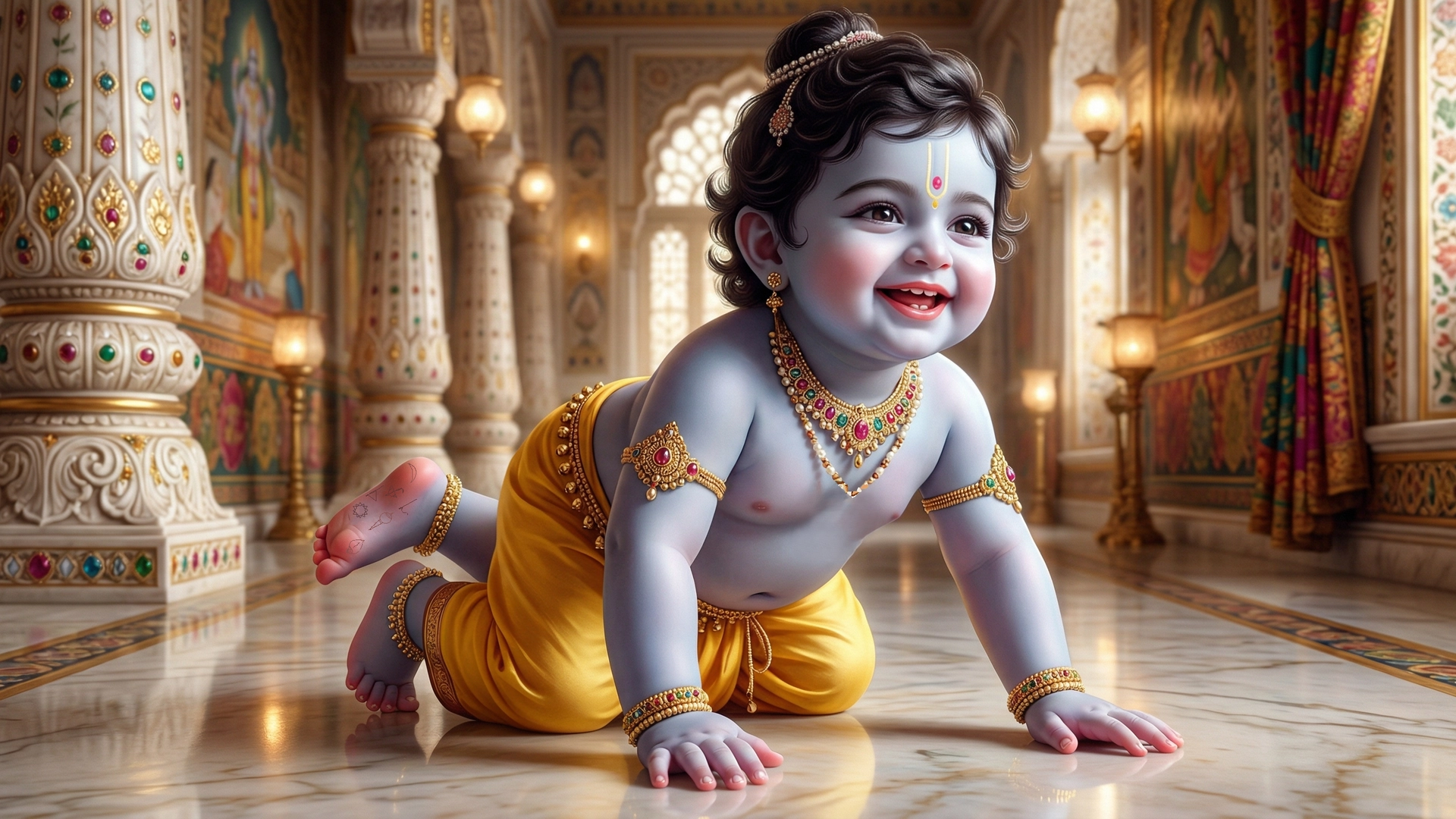
श्रीराम अवतार के हेतु – Reasons for Shri Ram’s Descent
दोहा :
* असुर मारि थापहिं सुरन्ह राखहिं निज श्रुति सेतु।
जग बिस्तारहिं बिसद जस राम जन्म कर हेतु॥121॥
भावार्थ:-वे असुरों को मारकर देवताओं को स्थापित करते हैं, अपने (श्वास रूप) वेदों की मर्यादा की रक्षा करते हैं और जगत में अपना निर्मल यश फैलाते हैं। श्री रामचन्द्रजी के अवतार का यह कारण है॥121॥
…He vanquishes demons, establishes the Demigods, upholds the sanctity of the Vedas, and spreads His divine glory across the world. These are the purposes of Lord Ram’s incarnation…
चौपाई :
* सोइ जस गाइ भगत भव तरहीं। कृपासिंधु जन हित तनु धरहीं॥
राम जनम के हेतु अनेका। परम बिचित्र एक तें एका॥1॥
भावार्थ:-उसी यश को गा-गाकर भक्तजन भवसागर से तर जाते हैं। कृपासागर भगवान भक्तों के हित के लिए शरीर धारण करते हैं। श्री रामचन्द्रजी के जन्म लेने के अनेक कारण हैं, जो एक से एक बढ़कर विचित्र हैं॥1॥
…By singing His glories, devotees cross the ocean of worldly existence and attain liberation. The boundless ocean of mercy takes a divine form for the well-being of His devotees. Lord Ram’s birth has many reasons, each uniquely distinct from the other…
* जनम एक दुइ कहउँ बखानी। सावधान सुनु सुमति भवानी॥
द्वारपाल हरि के प्रिय दोऊ। जय अरु बिजय जान सब कोऊ॥2॥
भावार्थ:-हे सुंदर बुद्धि वाली भवानी! मैं उनके दो-एक जन्मों का विस्तार से वर्णन करता हूँ, तुम सावधान होकर सुनो। श्री हरि के जय और विजय दो प्यारे द्वारपाल हैं, जिनको सब कोई जानते हैं॥2॥
…O’ Bhawani, blessed with a beautiful intellect, I will recount a few tales of Lord Ram’s incarnation, please listen attentively. Lord Hari has two beloved gatekeepers, Jay and Vijay, the well-known brothers.
* बिप्र श्राप तें दूनउ भाई। तामस असुर देह तिन्ह पाई॥
कनककसिपु अरु हाटकलोचन। जगत बिदित सुरपति मद मोचन॥3॥
भावार्थ:-उन दोनों भाइयों ने ब्राह्मण (सनकादि) के शाप से असुरों का तामसी शरीर पाया। एक का नाम था हिरण्यकशिपु और दूसरे का हिरण्याक्ष। ये देवराज इन्द्र के गर्व को छुड़ाने वाले सारे जगत में प्रसिद्ध हुए॥3॥
Due to the curse of the Brahmin Sages (Sanak, Sanandan, Sanatan, and Sanatkumar) both brothers, Jay and Vijay, were reborn as demons, assuming taamsik bodies (filled with anger and darkness). They became known as Hiranyakashyapu and Hiranyaksh (or Hataklochan, meaning one with golden eyes) and were renowned across the world. In battle, they shattered the false pride of Indra, the King of the Demigods, by defeating him.
* बिजई समर बीर बिख्याता। धरि बराह बपु एक निपाता॥
होइ नरहरि दूसर पुनि मारा। जन प्रहलाद सुजस बिस्तारा॥4॥
भावार्थ:-वे युद्ध में विजय पाने वाले विख्यात वीर थे। इनमें से एक (हिरण्याक्ष) को भगवान ने वराह (सूअर) का शरीर धारण करके मारा, फिर दूसरे (हिरण्यकशिपु) का नरसिंह रूप धारण करके वध किया और अपने भक्त प्रह्लाद का सुंदर यश फैलाया॥4॥
They were renowned for their victories on the battlefield. To vanquish them, Lord Hari assumed the form of a Boar (Varah Avatar) and slew Hiranyaksh, while He took the form of Narsimha, a being half-lion and half-man, to destroy Hiranyakashyapu. Through this, the Lord glorified His devoted follower, Prahlad (the son of Hiranyakashyapu).
दोहा :
* भए निसाचर जाइ तेइ महाबीर बलवान।
कुंभकरन रावन सुभट सुर बिजई जग जान॥122॥
भावार्थ:-वे ही (दोनों) जाकर देवताओं को जीतने वाले तथा बड़े योद्धा, रावण और कुम्भकर्ण नामक बड़े बलवान और महावीर राक्षस हुए, जिन्हें सारा जगत जानता है॥122॥
In their next life, they were reborn as the mighty and powerful demons Kumbhkaran and Ravan. As valiant warriors, they became renowned across the world for conquering all the Demigods.
चौपाई :
* मुकुत न भए हते भगवाना। तीनि जनम द्विज बचन प्रवाना॥
एक बार तिन्ह के हित लागी। धरेउ सरीर भगत अनुरागी॥1॥
भावार्थ:-भगवान के द्वारा मारे जाने पर भी वे (हिरण्याक्ष और हिरण्यकशिपु) इसीलिए मुक्त नहीं हुए कि ब्राह्मण के वचन (शाप) का प्रमाण तीन जन्म के लिए था। अतः एक बार उनके कल्याण के लिए भक्तप्रेमी भगवान ने फिर अवतार लिया॥1॥
Even after being slain by the Lord, they did not attain liberation, as the Brahmins’ curse destined them to take three births before being freed. For the well-being of these two demon brothers, the compassionate Lord once again incarnated.
* कस्यप अदिति तहाँ पितु माता। दसरथ कौसल्या बिख्याता॥
एक कलप एहि बिधि अवतारा। चरित पवित्र किए संसारा॥2॥
भावार्थ:-वहाँ (उस अवतार में) कश्यप और अदिति उनके माता-पिता हुए, जो दशरथ और कौसल्या के नाम से प्रसिद्ध थे। एक कल्प में इस प्रकार अवतार लेकर उन्होंने संसार में पवित्र लीलाएँ कीं॥2॥
There, Rishi Kashyap and his wife Aditi became the divine parents of the Lord, later reborn as the renowned King Dashrath and his wife, Kaushalya. In one kalpa, the Lord incarnated in this manner and performed righteous deeds in the world.
* एक कलप सुर देखि दुखारे। समर जलंधर सन सब हारे॥
संभु कीन्ह संग्राम अपारा। दनुज महाबल मरइ न मारा॥3॥
भावार्थ:-एक कल्प में सब देवताओं को जलन्धर दैत्य से युद्ध में हार जाने के कारण दुःखी देखकर शिवजी ने उसके साथ बड़ा घोर युद्ध किया, पर वह महाबली दैत्य मारे नहीं मरता था॥3॥
In another kalpa, when the Demigods were in distress after being defeated in battle by the demon Jalandhar, I (Lord Shambhu) engaged in a fierce fight with him. However, despite immense effort, the valiant demon remained undefeated.
* परम सती असुराधिप नारी। तेहिं बल ताहि न जितहिं पुरारी॥4॥
भावार्थ:-उस दैत्यराज की स्त्री परम सती (बड़ी ही पतिव्रता) थी। उसी के प्रताप से त्रिपुरासुर (जैसे अजेय शत्रु) का विनाश करने वाले शिवजी भी उस दैत्य को नहीं जीत सके॥4॥
The wife of the demon lord Jalandhar, Vrinda, was an exceptionally pious woman. Due to the power of her chastity, even the slayer Tripur (Lord Shiv) was unable to defeat Jalandhar in battle.
दोहा :
* छल करि टारेउ तासु ब्रत प्रभु सुर कारज कीन्ह।
जब तेहिं जानेउ मरम तब श्राप कोप करि दीन्ह॥123॥
भावार्थ:-प्रभु ने छल से उस स्त्री का व्रत भंग कर देवताओं का काम किया। जब उस स्त्री ने यह भेद जाना, तब उसने क्रोध करके भगवान को शाप दिया॥123॥
The Lord, through divine deception, broke her vow of chastity and fulfilled the mission of the Demigods. When Vrinda realized the truth, she was overcome with rage and cursed the Lord.
चौपाई :
* तासु श्राप हरि दीन्ह प्रमाना। कौतुकनिधि कृपाल भगवाना॥
तहाँ जलंधर रावन भयऊ। रन हति राम परम पद दयऊ॥1॥
भावार्थ:-लीलाओं के भंडार कृपालु हरि ने उस स्त्री के शाप को प्रामाण्य दिया (स्वीकार किया)। वही जलन्धर उस कल्प में रावण हुआ, जिसे श्री रामचन्द्रजी ने युद्ध में मारकर परमपद दिया॥1॥
The merciful Lord Hari, the source of divine pastimes, graciously accepted her curse. In that kalpa, the same Jalandhar was reborn as Ravan, who met his end on the battlefield, finally attaining liberation through Lord Ram.
* एक जनम कर कारन एहा। जेहि लगि राम धरी नरदेहा॥
प्रति अवतार कथा प्रभु केरी। सुनु मुनि बरनी कबिन्ह घनेरी॥2॥
भावार्थ:-एक जन्म का कारण यह था, जिससे श्री रामचन्द्रजी ने मनुष्य देह धारण किया। हे भरद्वाज मुनि! सुनो, प्रभु के प्रत्येक अवतार की कथा का कवियों ने नाना प्रकार से वर्णन किया है॥2॥
Rishi Yagyavalkya reveals yet another reason for Lord Ram’s incarnation to Sage Bhardwaj. “O’ Sage, the stories of the Lord’s divine descent have been sung by poets in countless ways.
* नारद श्राप दीन्ह एक बारा। कलप एक तेहि लगि अवतारा॥
गिरिजा चकित भईं सुनि बानी। नारद बिष्नुभगत पुनि ग्यानी॥3॥
भावार्थ:-एक बार नारदजी ने शाप दिया, अतः एक कल्प में उसके लिए अवतार हुआ। यह बात सुनकर पार्वतीजी बड़ी चकित हुईं (और बोलीं कि) नारदजी तो विष्णु भक्त और ज्ञानी हैं॥3॥
On one occasion, Sage Narad cursed Lord Hari, and for that reason, He took an incarnation in one kalpa.” Goddess Girija was astonished to hear this and said, “Narad ji is a devoted follower of Lord Vishnu and a great sage of immense wisdom…
* कारन कवन श्राप मुनि दीन्हा। का अपराध रमापति कीन्हा॥
यह प्रसंग मोहि कहहु पुरारी। मुनि मन मोह आचरज भारी॥4॥
भावार्थ:-मुनि ने भगवान को शाप किस कारण से दिया। लक्ष्मीपति भगवान ने उनका क्या अपराध किया था? हे पुरारि (शंकरजी)! यह कथा मुझसे कहिए। मुनि नारद के मन में मोह होना बड़े आश्चर्य की बात है॥4॥
…For what reason did Sage Narad curse the Lord? What offense did the master of Goddess Rama (Lakshmi ji) commit? O’ Tripurari, please tell me about this incident. It is astonishing that the heart of the wise Sage Narad was swayed by delusion.”
दोहा :
* बोले बिहसि महेस तब ग्यानी मूढ़ न कोइ।
जेहि जस रघुपति करहिं जब सो तस तेहि छन होइ॥124 क॥
भावार्थ:-तब महादेवजी ने हँसकर कहा- न कोई ज्ञानी है न मूर्ख। श्री रघुनाथजी जब जिसको जैसा करते हैं, वह उसी क्षण वैसा ही हो जाता है॥124 (क)॥
Then Lord Mahesh burst into laughter and said, “No one is inherently foolish or wise. A person becomes exactly what Raghupati wills at that very moment.”
* कहउँ राम गुन गाथ भरद्वाज सादर सुनहु।
भव भंजन रघुनाथ भजु तुलसी तजि मान मद॥124 ख॥
भावार्थ:-(याज्ञवल्क्यजी कहते हैं-) हे भरद्वाज! मैं श्री रामचन्द्रजी के गुणों की कथा कहता हूँ, तुम आदर से सुनो। तुलसीदासजी कहते हैं- मान और मद को छोड़कर आवागमन का नाश करने वाले रघुनाथजी को भजो॥124 (ख)॥
Sage Yagyavalkya said, “O’ Sage Bhardwaj, I will narrate the divine virtues of Lord Ram. Listen with reverence.” Tulsidas ji adds, “Casting aside ego and false pride, one should worship Lord Raghunath, who liberates souls from the endless cycle of birth and death.”
चौपाई :
*हिमगिरि गुहा एक अति पावनि। बह समीप सुरसरी सुहावनि॥
आश्रम परम पुनीत सुहावा। देखि देवरिषि मन अति भावा॥1॥
भावार्थ:-हिमालय पर्वत में एक बड़ी पवित्र गुफा थी। उसके समीप ही सुंदर गंगाजी बहती थीं। वह परम पवित्र सुंदर आश्रम देखने पर नारदजी के मन को बहुत ही सुहावना लगा॥1॥
Amidst the majestic Himalayas lay a sacred cave, with the heavenly river Ganga flowing gracefully nearby. Upon witnessing this divine and serene hermitage, the celestial Sage Narad’s heart filled with immense joy.
* निरखि सैल सरि बिपिन बिभागा। भयउ रमापति पद अनुरागा॥
सुमिरत हरिहि श्राप गति बाधी। सहज बिमल मन लागि समाधी॥2॥
भावार्थ:-पर्वत, नदी और वन के (सुंदर) विभागों को देखकर नादरजी का लक्ष्मीकांत भगवान के चरणों में प्रेम हो गया। भगवान का स्मरण करते ही उन (नारद मुनि) के शाप की (जो शाप उन्हें दक्ष प्रजापति ने दिया था और जिसके कारण वे एक स्थान पर नहीं ठहर सकते थे) गति रुक गई और मन के स्वाभाविक ही निर्मल होने से उनकी समाधि लग गई॥2॥
As Narad ji beheld the majestic mountain, the flowing river, the dense forest, and the serene surroundings, deep devotion for the feet of Shri Hari (the Lord of Goddess Lakshmi), arose in his heart. The mere thought of Lord Hari shattered the effects of Daksh Prajapati’s curse, which had bound him to constant wandering. With his naturally pure heart, Narad Muni entered a profound state of trance (samadhi).
* मुनि गति देखि सुरेस डेराना। कामहि बोलि कीन्ह सनमाना॥
सहित सहाय जाहु मम हेतू। चलेउ हरषि हियँ जलचरकेतू॥3॥
भावार्थ:-नारद मुनि की (यह तपोमयी) स्थिति देखकर देवराज इंद्र डर गया। उसने कामदेव को बुलाकर उसका आदर-सत्कार किया (और कहा कि) मेरे (हित के) लिए तुम अपने सहायकों सहित (नारद की समाधि भंग करने को) जाओ। (यह सुनकर) मीनध्वज कामदेव मन में प्रसन्न होकर चला॥3॥
Seeing Narad Muni’s deep state of samadhi, Indra, the Lord of the Demigods, became fearful (worrying that he might lose his throne in Heaven to the great sage). Seeking to disrupt Sage Narad’s meditation, Indra summoned Kaamdev and honoured him with great respect. He instructed Kaamdev to go with his attendants and break Narad ji’s trance for his sake. Delighted at the task, Kaamdev, whose flag bore the emblem of a fish, set out toward Narad ji.
* सुनासीर मन महुँ असि त्रासा। चहत देवरिषि मम पुर बासा॥
जे कामी लोलुप जग माहीं। कुटिल काक इव सबहि डेराहीं॥4॥
भावार्थ:-इन्द्र के मन में यह डर हुआ कि देवर्षि नारद मेरी पुरी (अमरावती) का निवास (राज्य) चाहते हैं। जगत में जो कामी और लोभी होते हैं, वे कुटिल कौए की तरह सबसे डरते हैं॥4॥
Indra, the leader of all the Demigods, harboured the fear that the celestial Sage Narad sought to claim his heavenly abode, the divine city of Amravati. In this world, those consumed by lust and greed are like cunning crows, always fearful, ever wary of losing what they cling to.
दोहा :
* सूख हाड़ लै भाग सठ स्वान निरखि मृगराज।
छीनि लेइ जनि जान जड़ तिमि सुरपतिहि न लाज॥125॥
भावार्थ:-जैसे मूर्ख कुत्ता सिंह को देखकर सूखी हड्डी लेकर भागे और वह मूर्ख यह समझे कि कहीं उस हड्डी को सिंह छीन न ले, वैसे ही इन्द्र को (नारदजी मेरा राज्य छीन लेंगे, ऐसा सोचते) लाज नहीं आई॥125॥
Just as a cunning dog flees with a meatless bone upon seeing the mighty lion, foolishly fearing that the lion will take it away, Indra, the King of the Demigods, harboured the same unfounded fear. Consumed by his insecurity, he felt no shame in his thoughts.
चौपाई :
* तेहि आश्रमहिं मदन जब गयऊ। निज मायाँ बसंत निरमयऊ॥
कुसुमित बिबिध बिटप बहुरंगा। कूजहिं कोकिल गुंजहिं भृंगा॥1॥
भावार्थ:-जब कामदेव उस आश्रम में गया, तब उसने अपनी माया से वहाँ वसन्त ऋतु को उत्पन्न किया। तरह-तरह के वृक्षों पर रंग-बिरंगे फूल खिल गए, उन पर कोयलें कूकने लगीं और भौंरे गुंजार करने लगे॥1॥
When Madan (Kaamdev) arrived at the hermitage, he used his illusionary powers to summon the beauty of Spring season. Trees of various kinds burst into bloom, adorned with vibrant flowers. Amidst their branches, cuckoo birds sang melodious tunes, and bumblebees buzzed sweetly, filling the air with enchanting sounds.
* चली सुहावनि त्रिबिध बयारी। काम कृसानु बढ़ावनिहारी॥
रंभादिक सुर नारि नबीना। सकल असमसर कला प्रबीना॥2॥
भावार्थ:-कामाग्नि को भड़काने वाली तीन प्रकार की (शीतल, मंद और सुगंध) सुहावनी हवा चलने लगी। रम्भा आदि नवयुवती देवांगनाएँ, जो सब की सब कामकला में निपुण थीं,॥2॥
Three kinds of gentle breezes (cool, soothing, and fragrant) began to flow, intensifying the fire of passion. Meanwhile, Rambha and other celestial damsels, blessed with eternal youth and unmatched grace, arrived, adept in the art of kindling desire.
* करहिं गान बहु तान तरंगा। बहुबिधि क्रीड़हिं पानि पतंगा॥
देखि सहाय मदन हरषाना। कीन्हेसि पुनि प्रपंच बिधि नाना॥3॥
भावार्थ:-वे बहुत प्रकार की तानों की तरंग के साथ गाने लगीं और हाथ में गेंद लेकर नाना प्रकार के खेल खेलने लगीं। कामदेव अपने इन सहायकों को देखकर बहुत प्रसन्न हुआ और फिर उसने नाना प्रकार के मायाजाल किए॥3॥
They sang and danced gracefully to the rhythm of enchanting music. They played in various ways, tossing and catching a ball in their hands, their movements full of charm and allure. Seeing his companions in action, Kaamdev grew delighted and began showcasing his many illusory tricks to further his scheme.
* काम कला कछु मुनिहि न ब्यापी। निज भयँ डरेउ मनोभव पापी॥
सीम कि चाँपि सकइ कोउ तासू। बड़ रखवार रमापति जासू॥4॥
भावार्थ:-परन्तु कामदेव की कोई भी कला मुनि पर असर न कर सकी। तब तो पापी कामदेव अपने ही (नाश के) भय से डर गया। लक्ष्मीपति भगवान जिसके बड़े रक्षक हों, भला, उसकी सीमा (मर्यादा) को कोई दबा सकता है?॥4॥
All of Kaamdev’s efforts had no effect on Sage Narad. Frustrated and powerless, the sinful Kaamdev grew fearful of his own impending doom (dreading the wrath of the great sage). After all, can anyone shake the resolve of one who is protected by the Lord of Goddess Lakshmi?
दोहा :
* सहित सहाय सभीत अति मानि हारि मन मैन।
गहेसि जाइ मुनि चरन तब कहि सुठि आरत बैन॥126॥
भावार्थ:-तब अपने सहायकों समेत कामदेव ने बहुत डरकर और अपने मन में हार मानकर बहुत ही आर्त (दीन) वचन कहते हुए मुनि के चरणों को जा पकड़ा॥126॥
Then, overwhelmed with fear, Kaamdev and his companions accepted their defeat. With a humbled heart, he fell at Narad Muni’s feet and pleaded with sweet, remorseful words, seeking forgiveness.
चौपाई :
* भयउ न नारद मन कछु रोषा। कहि प्रिय बचन काम परितोषा॥
नाइ चरन सिरु आयसु पाई। गयउ मदन तब सहित सहाई॥1॥
भावार्थ:-नारदजी के मन में कुछ भी क्रोध न आया। उन्होंने प्रिय वचन कहकर कामदेव का समाधान किया। तब मुनि के चरणों में सिर नवाकर और उनकी आज्ञा पाकर कामदेव अपने सहायकों सहित लौट गया॥1॥
Narad ji felt no anger in his heart. Instead, he spoke gently and reassured Kaamdev with kind words. Bowing at the Sage’s feet and seeking his permission, Kaamdev departed along with his companions.
दोहा :
* मुनि सुसीलता आपनि करनी। सुरपति सभाँ जाइ सब बरनी॥
सुनि सब कें मन अचरजु आवा। मुनिहि प्रसंसि हरिहि सिरु नावा॥2॥
भावार्थ:-देवराज इन्द्र की सभा में जाकर उसने मुनि की सुशीलता और अपनी करतूत सब कही, जिसे सुनकर सबके मन में आश्चर्य हुआ और उन्होंने मुनि की बड़ाई करके श्री हरि को सिर नवाया॥2॥
Kaamdev returned to the court of Indra, the King of the Demigods, and recounted all that had transpired, his attempts, his defeat, and the noble demeanour of Sage Narad. Hearing this, everyone’s heart was filled with astonishment. They praised Narad Muni’s unwavering virtue and bowed their heads in reverence to Lord Hari.
* तब नारद गवने सिव पाहीं। जिता काम अहमिति मन माहीं॥
मार चरति संकरहि सुनाए। अतिप्रिय जानि महेस सिखाए॥3॥
भावार्थ:- तब नारदजी शिवजी के पास गए। उनके मन में इस बात का अहंकार हो गया कि हमने कामदेव को जीत लिया। उन्होंने कामदेव के चरित्र शिवजी को सुनाए और महादेवजी ने उन (नारदजी) को अत्यन्त प्रिय जानकर (इस प्रकार) शिक्षा दी-॥3॥
Then, filled with false pride over his victory against Kaamdev, Narad Muni went to Lord Shiv and recounted the entire incident. Seeing Sage Narad as dear to Him, Lord Mahesh gently advised Sage Narad with wise counsel…
* बार बार बिनवउँ मुनि तोही। जिमि यह कथा सुनायहु मोही॥
तिमि जनि हरिहि सुनावहु कबहूँ। चलेहुँ प्रसंग दुराएहु तबहूँ॥4॥