

Timeless Wisdom and Lessons the World Can Learn from Shri Ramcharitmanas
Power, Geopolitics, and the Path of Righteousness (Dharma)
Since the dawn of civilization, power struggles have shaped human history. Empires have risen and fallen, rulers have sought to expand their dominance, and nations have fought endless battles for control. And yet, for all our so-called progress, has anything really changed?
Today, we see the same old thirst for power playing out: U.S hinting at annexing Canada and Greenland, Russia’s invasion of Ukraine, China’s territorial ambitions, Israel’s expansion into Palestinian lands, and global political instability pushing the world closer to chaos. Nations justify their actions under the guise of security or historical claims, but at the core, it’s always been about one thing: Power.
But here’s the real question: Where does this lead? If history is any indication, we are not heading toward peace, but to another inevitable collapse of the world order as we know it. Is there another way?
Yes: Dharma (righteousness).
It has been the guiding force for just rulers throughout history, and it remains the only path that leads to lasting stability, peace, and harmony.
The Rise and Fall of Power
A Historical Pattern
Throughout history, rulers have sought control over lands and people, believing their power to be eternal. Yet, no empire has ever lasted forever, for instance:
- Alexander the Great conquered vast lands but died young, and his empire fragmented.
- Napoleon Bonaparte sought to dominate Europe, only to be exiled in disgrace.
- Adolf Hitler envisioned world domination, but his empire collapsed into ruin.
- Mughal and other invaders reshaped the Middle East, Persia (Iran), India, and Indonesia, imposing new cultures and religions, yet their conquests too faded over time.
- British and European colonial powers once ruled vast territories, but they were ultimately overthrown as nations reclaimed their sovereignty.
This universal truth also finds its place in Shri Ramcharitmanas through the story of King Pratapbhanu. A mighty and wise ruler, his ambition led him to seek control over Brahmins (those dedicated to serving God). His downfall was inevitable, proving that leaders who misuse power always meet divine justice.
Read the full story of King Pratapbhanu.
So, if history has repeatedly shown that excessive power leads to downfall, why are world leaders still making the same mistakes?
For anyone, who may raise a question about the practice of Ashwamedh Yagya performed by the righteous kings in order to conquer other kingdoms, here is a useful clarification:
Ashwamedh Yagya Explained
The Ashwamedh Yagya was a grand Vedic ritual performed by ancient kings to affirm their sovereignty, seek divine blessings, and establish righteous rule. It was considered one of the most powerful royal sacrifices in Sanatan Dharma and was conducted only by a supreme and just ruler.
Purpose of the Ashwamedh Yagya
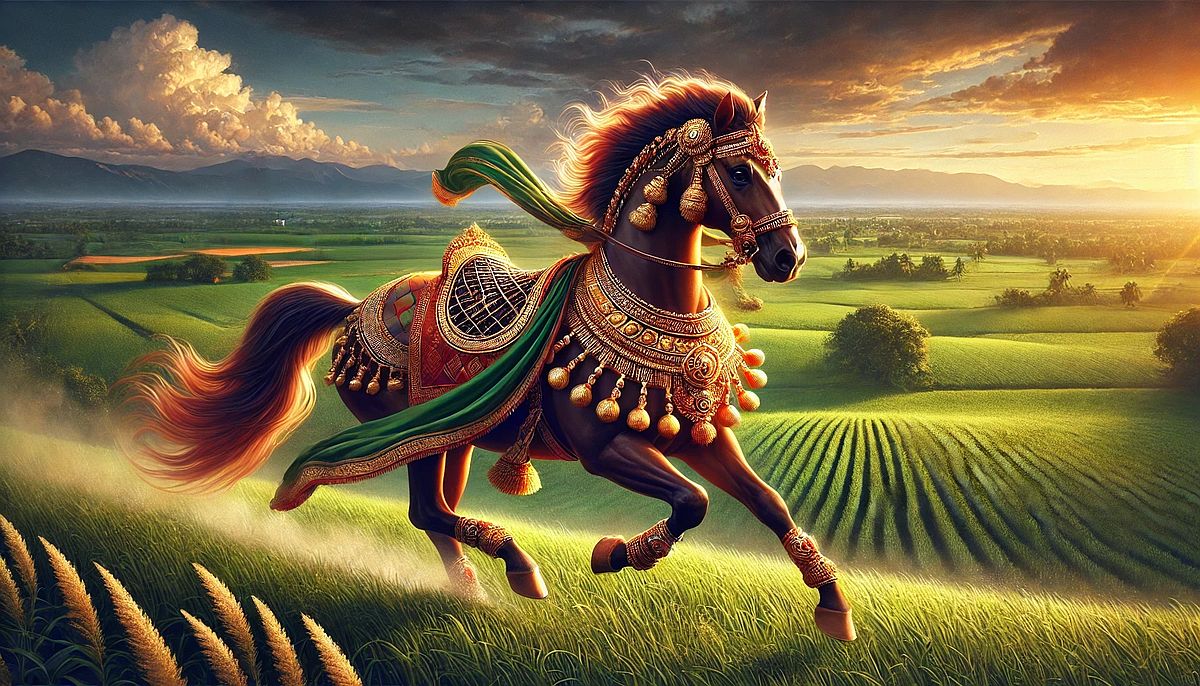
To Establish Supreme Authority – The ritual symbolized the king’s undisputed rule over the land. A consecrated horse was set free to roam different territories, and if no one challenged its movement, it signified acceptance of the ruler’s sovereignty.
To Ensure Peace and Stability – Rather than being an act of conquest, it was a diplomatic declaration that ensured harmonious rule without war. If a rival king objected, he could challenge in battle, but most accepted the authority of a righteous ruler.
To Seek Divine Blessings – The Yagya was performed to please the deities and ensure prosperity, protection, and well-being for all the people. It also symbolized the king’s selfless service to his entire kingdom.
To Attain Spiritual Merit – Performing the Ashwamedh Yagya purified the ruler’s karma, reinforcing that true kingship was a Dharmic duty, not a personal privilege.
The Ashwamedh Yagya, at its core, was about establishing righteous rule through Dharma, not through exploitation. However, what we see today is the opposite, economic tools being weaponized for control rather than mutual prosperity.
Shri Ram’s Legacy: Power Used for Good, Never for Personal Gain
Lord Shri Ram fought only one war in His entire life, and that too for the protection of humanity. The wicked Ravan had become a threat to everyone, Demigods, demons, serpents, celestial beings, yakshas, gandharvas, and humans alike. To defeat him, Lord Ram endured separation from His beloved wife Sita ji, went through hunger and thirst, and fought a fierce battle.
There was no personal gain or selfish motive in Lord Ram’s actions. Even though He had the power to conquer the world, He never waged war to expand His Kingdom.
What’s even more remarkable is that after killing the evil Bali and the sinful Ravan, He did not take over their kingdoms. Instead, He handed them over to their rightful heirs, their own family members.
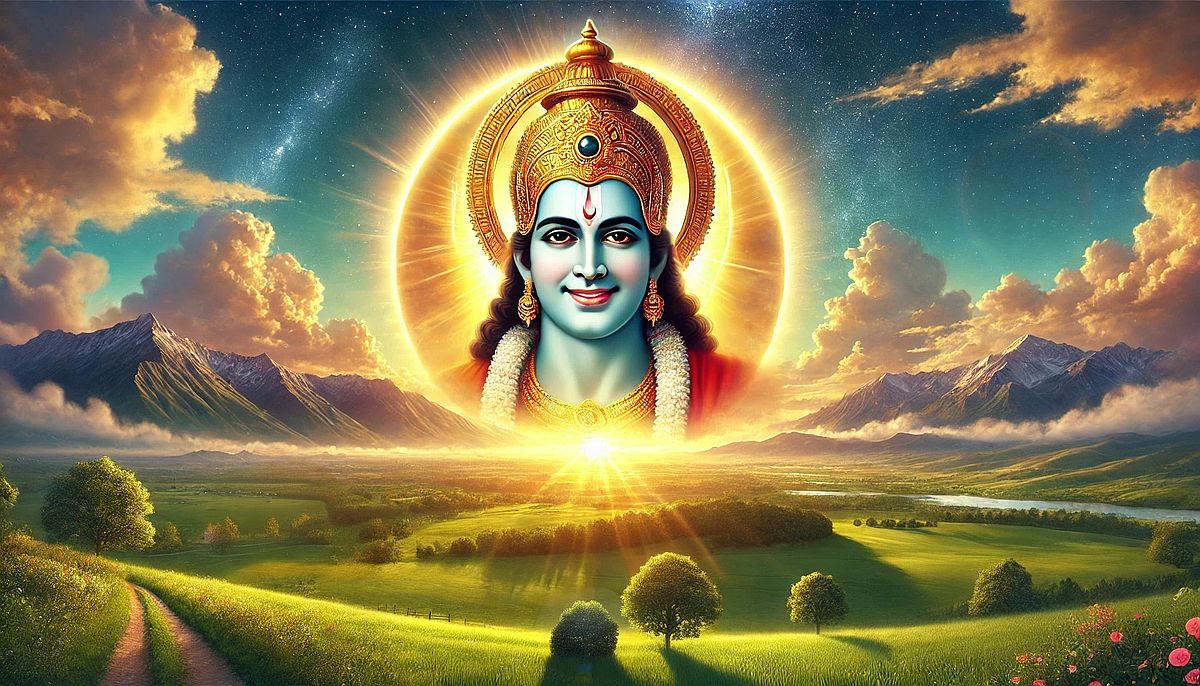
Enduring hardships Himself while bringing happiness to others, this was the core principle of Shri Ram, the ideal hero of Shri Ramcharitmanas. That is why he is called Maryada Purushottam, the Supreme One who upholds righteousness and moral boundaries. He lived righteously and set the highest standards of conduct.
In today’s global scenario, Lord Ram’s character, ideals and message remain deeply relevant and worth following.
बयरु न कर काहू सन कोई। राम प्रताप विषमता खोई।।
Bear no hatred towards anyone. By the grace of Shri Ram, even enmity and inequality disappear.
The Current World Crisis
Let’s be honest—the world is in turmoil right now:
- Russia’s war on Ukraine – A desperate attempt to reclaim past influence.
- China’s expansionist moves – Already in control of Tibet, now eyeing Taiwan, some parts of northern India, and the South China Sea.
- Israel-Palestine conflict – A long-standing territorial struggle leading to unimaginable human suffering.
- The U.S. and NATO’s global power plays – Military, economic, and political interventions fueling global instability.
None of this is new. This is history repeating itself in a way. The question is: Do we finally break the cycle, or do we wait for another catastrophic event?
Shri Ram’s Teachings: A Leader’s True Duty
The world does not need more conquerors. It needs leaders.
Lord Ram was the ideal ruler, not because he had the power to conquer, but because he had the wisdom to serve.
- Power should be used for the good of all, not for personal ambition.
- A ruler must be humble, arrogance is the first step toward downfall.
- Truth and justice must be upheld, even when inconvenient.
- Wealth and power are temporary, but good deeds and service last forever.
- A ruler who harms the innocent will face divine justice.
- Real leadership is about protecting the weak, ensuring harmony, and promoting peace, not war.
Read more: Shri Ram Gita
Key takeaway from Shri Ram Gita in context of the current geopolitical scenario:
Shri Ram led with Dharma, not domination. He ruled with justice, humility, and wisdom, not greed or conquest. If today’s global leaders truly wish to bring peace and stability, they must abandon power-hungry politics and embrace righteous leadership.
Imagine if today’s leaders followed even half of these principles. Would we still be living in a world on the brink of war?
Living in Harmony with People and Nature
A fundamental teaching of Shri Ramcharitmanas is that all living beings are interconnected.
“सिया राम में सब जग जानी, करि प्रणाम जोरि जुग पानि”
“See the entire world as a manifestation of Sita ji and Shri Ram, and bow to all with folded hands.”
This verse emphasizes that the divine exists within every human, every nation, and even nature itself.
- Respect for Others – When we see others as divine beings, violence and exploitation become unthinkable.
- Respect for Nature – When we recognize nature as sacred, we stop destroying forests, rivers, and ecosystems for greed.
- Peace Over Power – Instead of seeking dominance, true leaders serve and uplift society.
If we truly understood this:
- We wouldn’t destroy forests for profit.
- We wouldn’t pollute rivers that sustain life.
- We wouldn’t go to war over imaginary borders.
Read how India’s vision of Shri Ram Rajya captures the essence of Shri Ram’s teachings in PM Narendra Modi’s speech on
Dawn of a New Era for India.
Kaliyug: The Age of Darkness and the Path Ahead
According to Hindu Scriptures, we are living in Kaliyug, the darkest age of the four Yugas.
Satya Yuga – The Golden Age of absolute righteousness and truth.
Treta Yuga – Dharma declines slightly; conflicts arise, but righteousness prevails.
Dwapar Yuga – Dharma weakens further, and greed and deception increase.
Kaliyug – The present era, marked by corruption, deceit, greed, materialism, and moral collapse.
Shri Ramcharitmanas paints a grim picture of Kaliyug:
- The powerful exploit the weak.
- Truth is mocked, while deception thrives.
- Nature fights back: floods, droughts, earthquakes increase.
Read more about the Attributes of Kaliyug.
The Way Forward: Choose Dharma Over Chaos
The world stands at a turning point. If we continue down the path of war and unchecked ambition, World War III and a global reset of power may become inevitable.
- Wars and conquests will only bring suffering and destruction.
- Mutual respect, cooperation, and prosperity are the only sustainable paths forward.
- Stability and peace can be achieved only through Dharma, justice, truth, and humility.
- Respecting nature and living in harmony with the environment is critical for survival.
Conclusion: Live and Let Others Live
Shri Ram’s message is clear: Power is temporary, but Dharma is eternal.
Let us live and let others live.